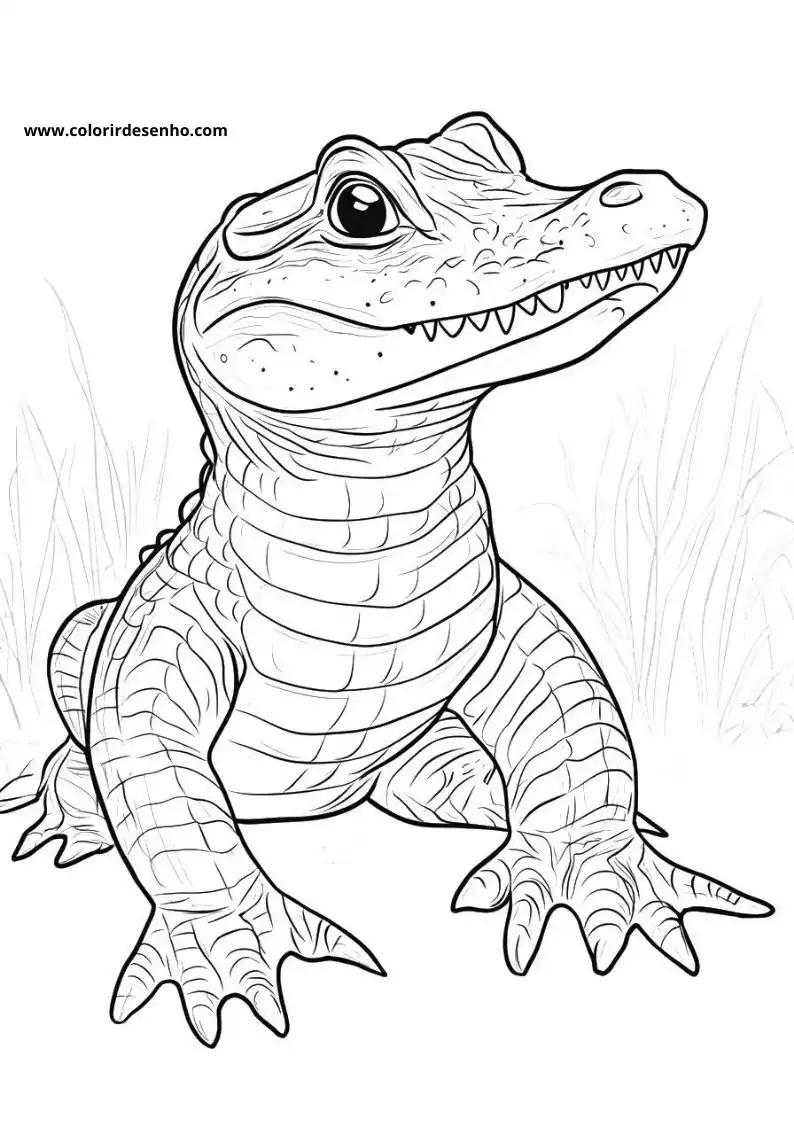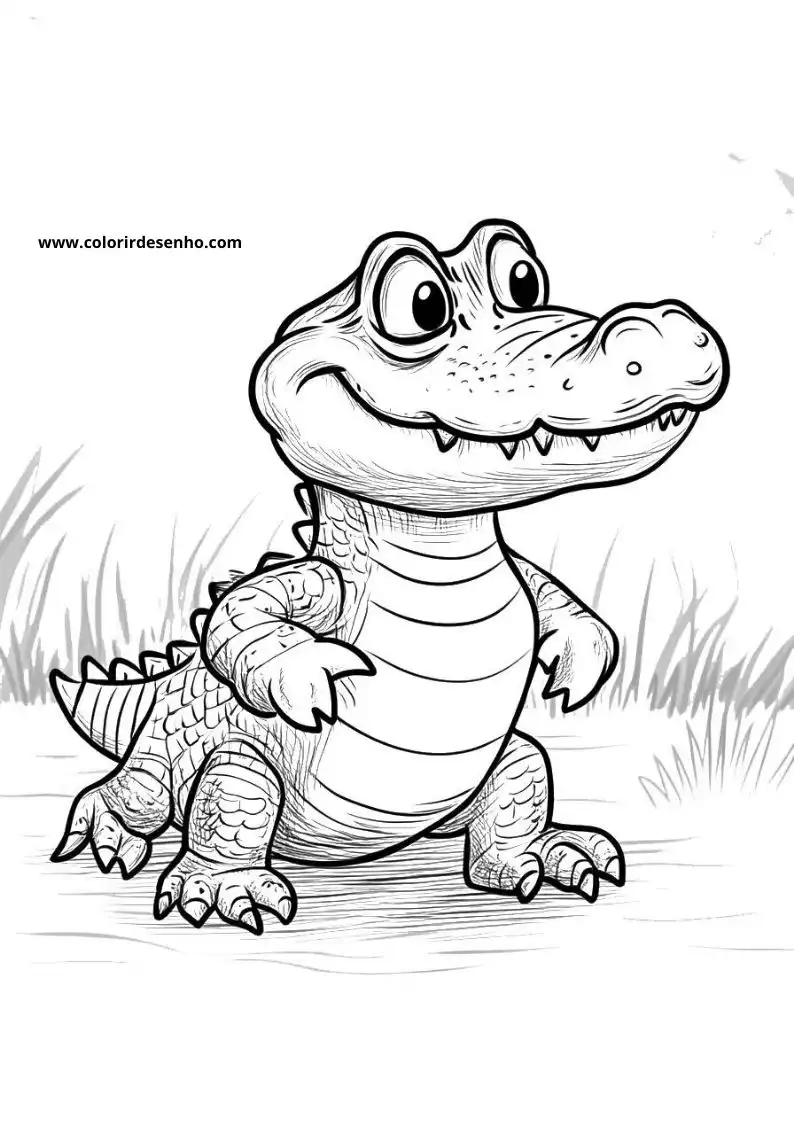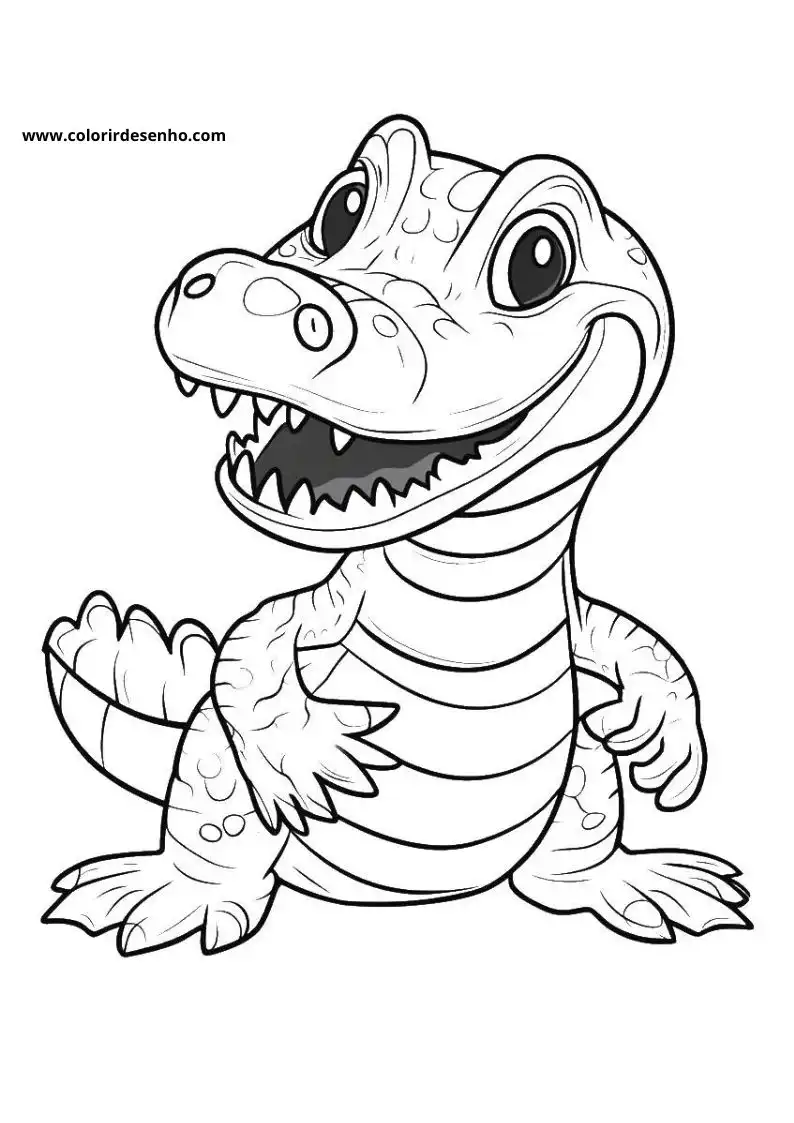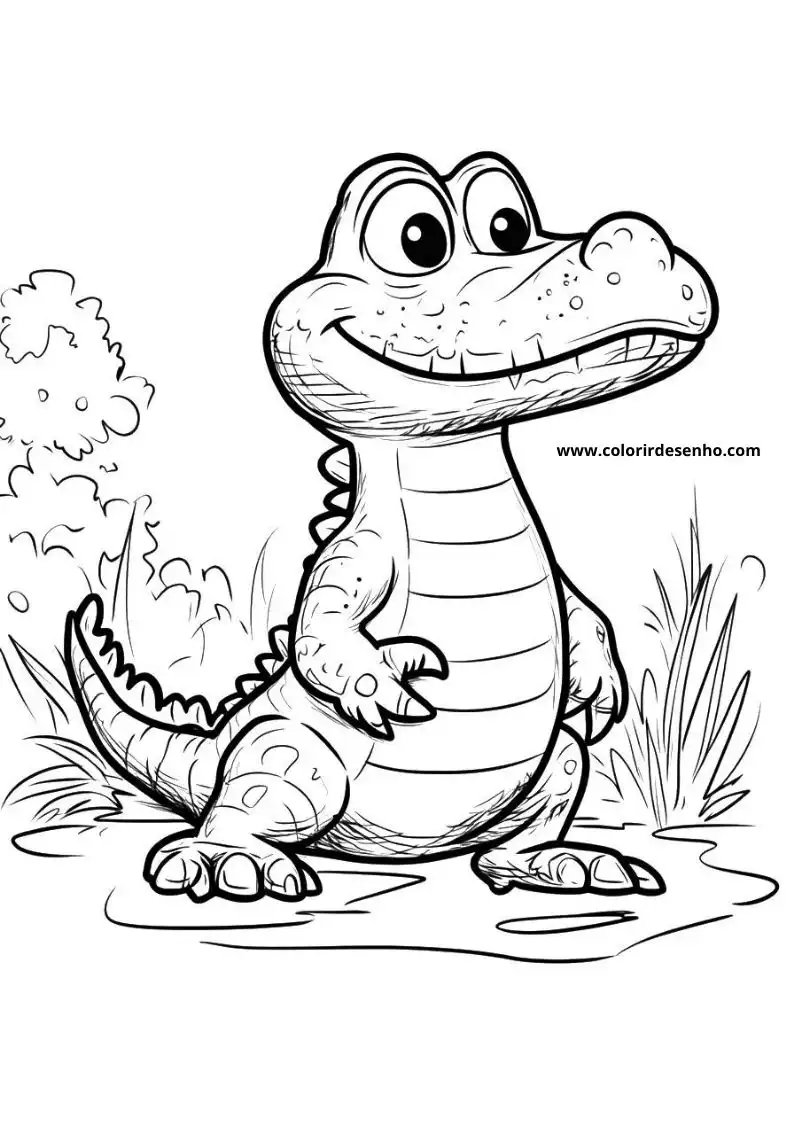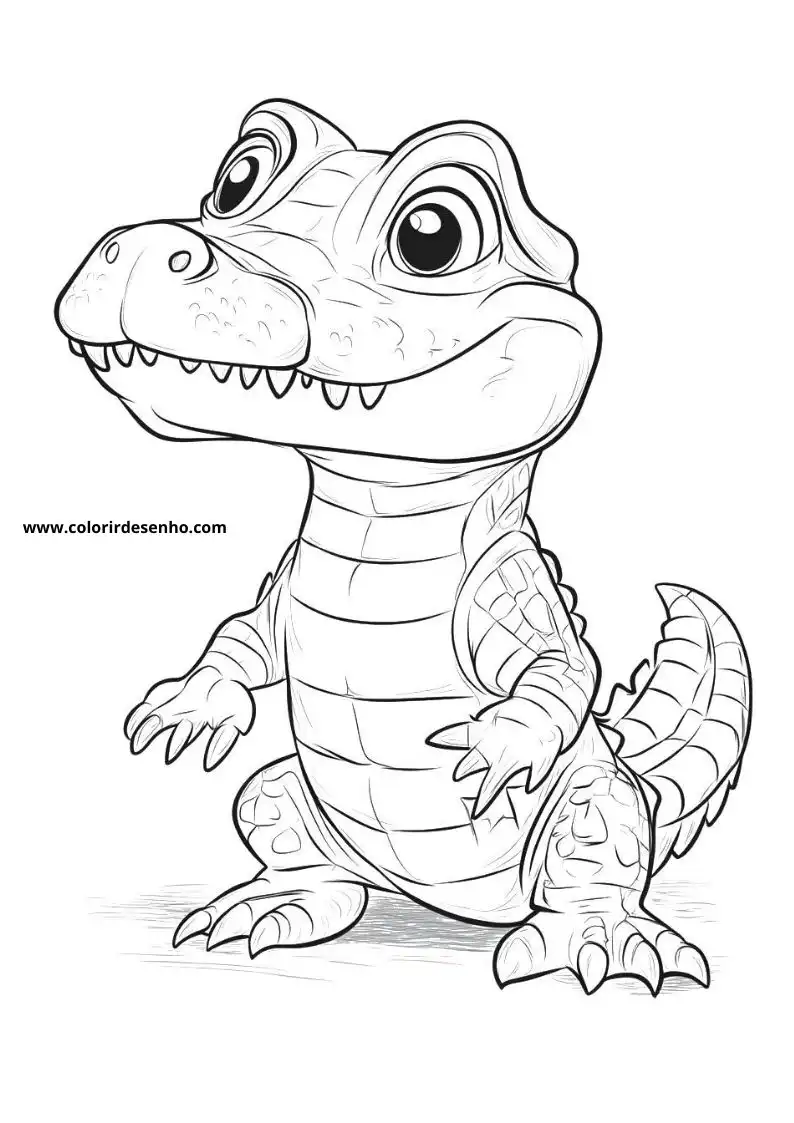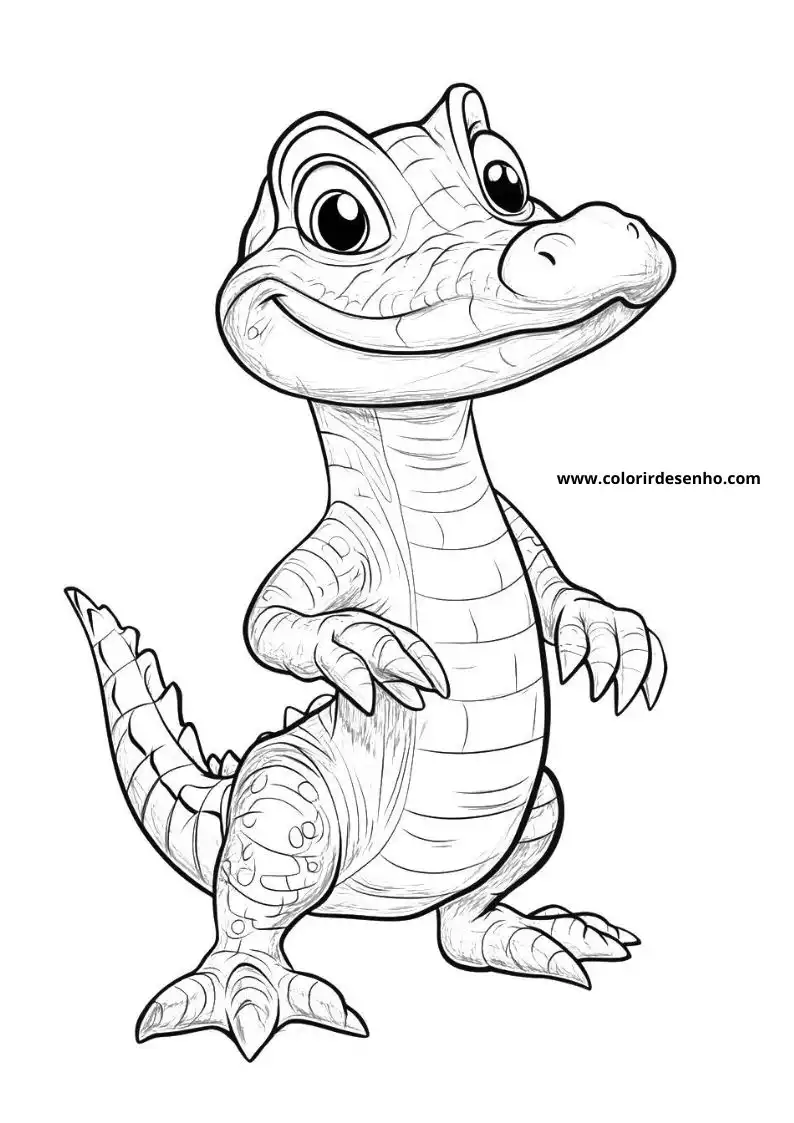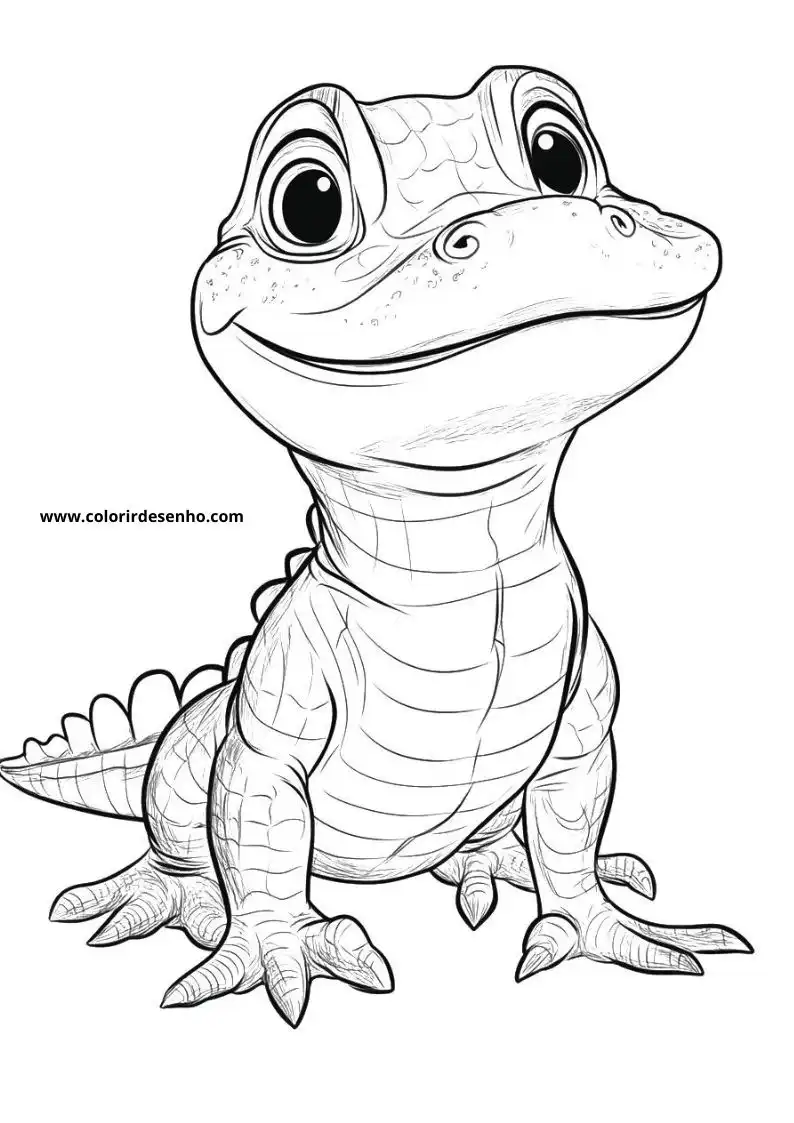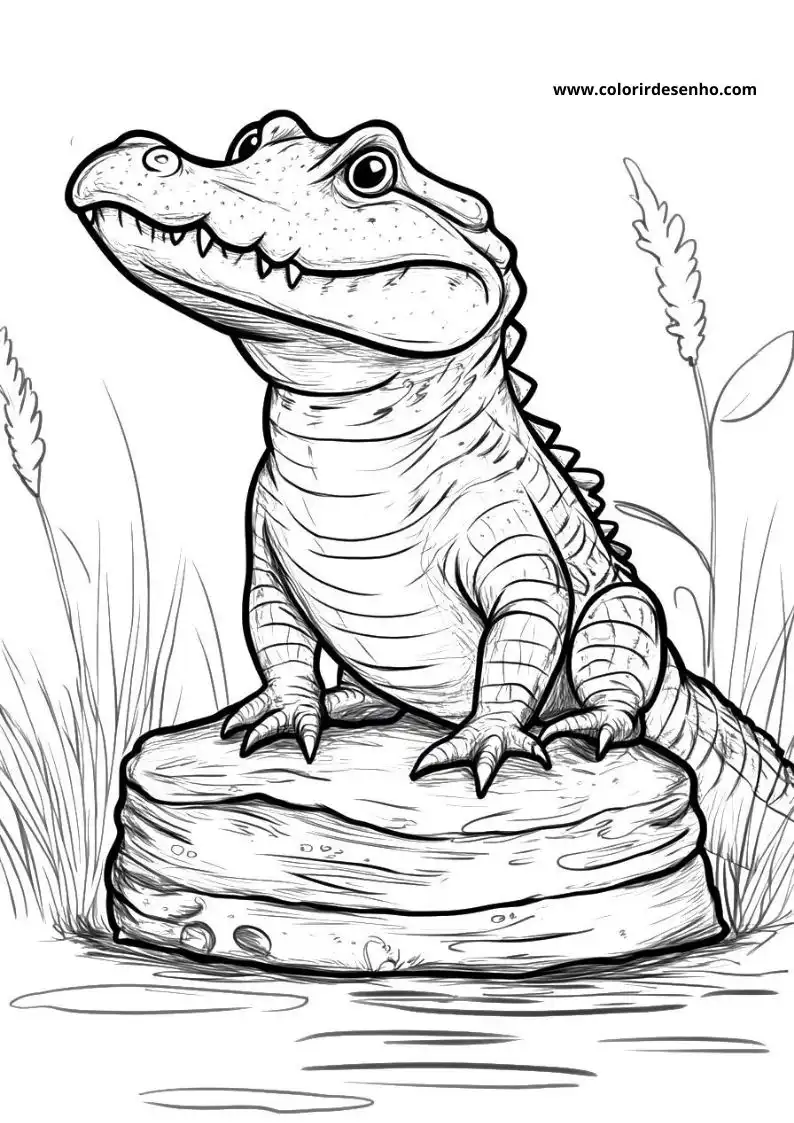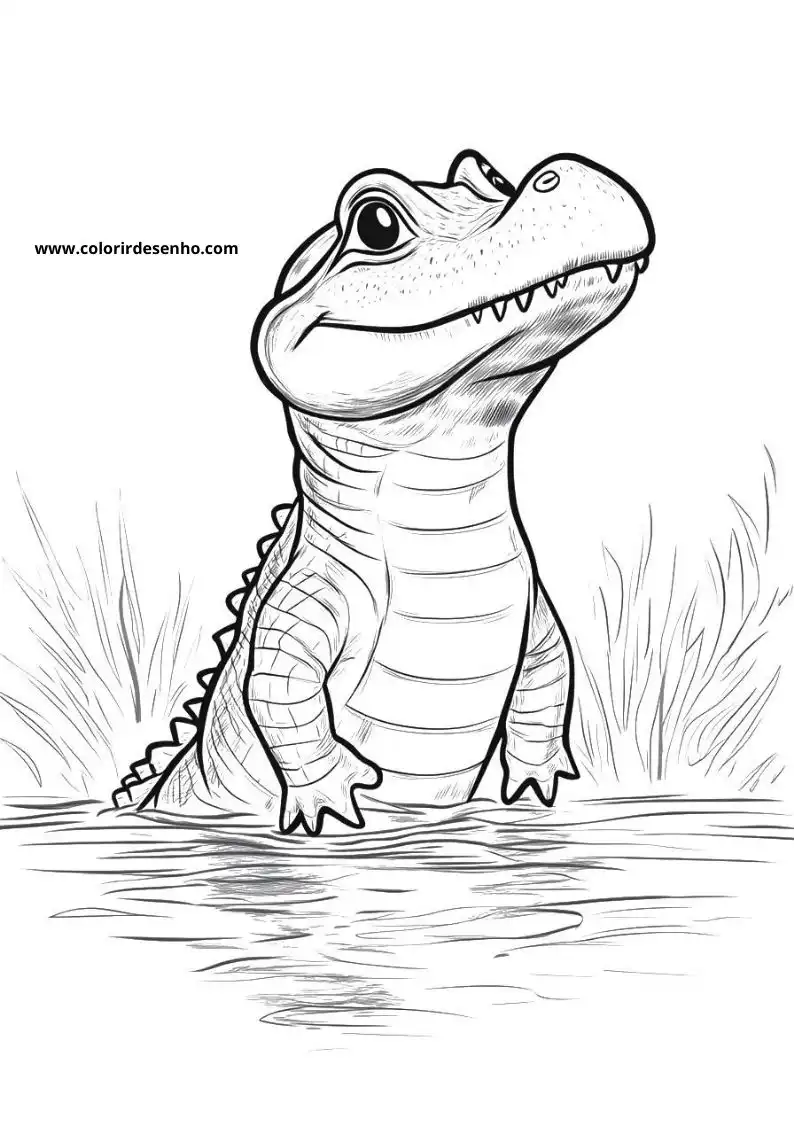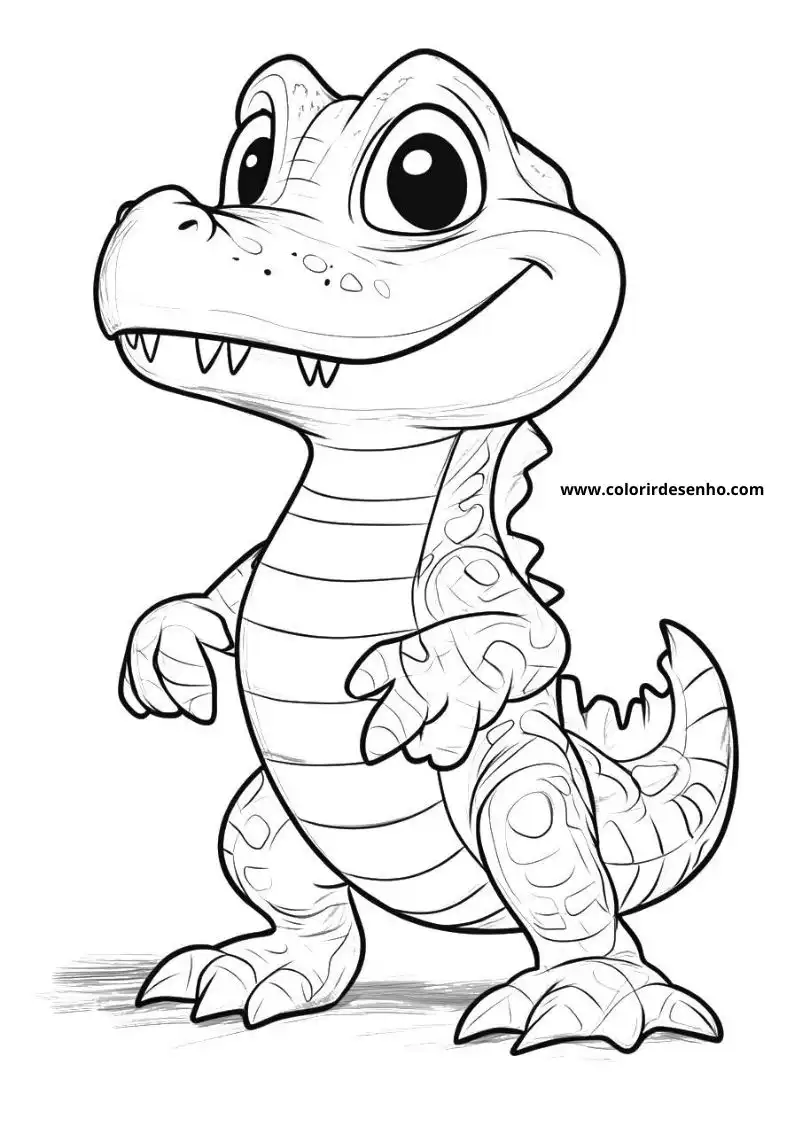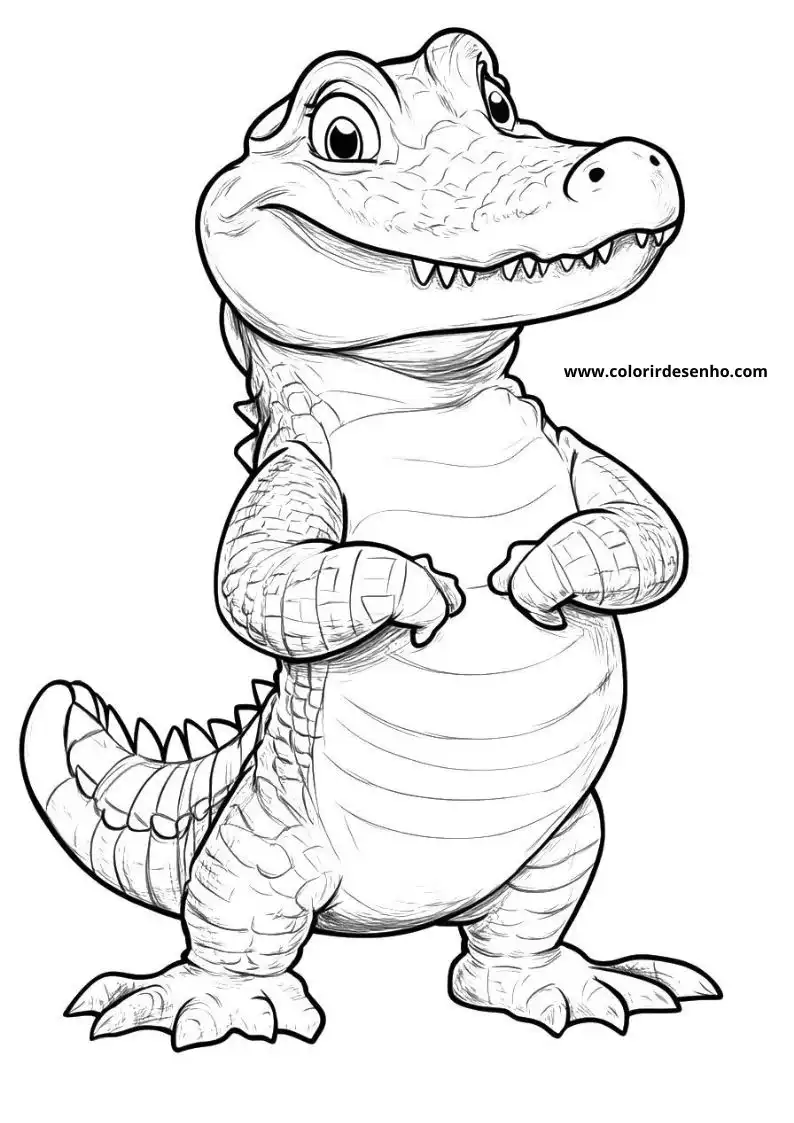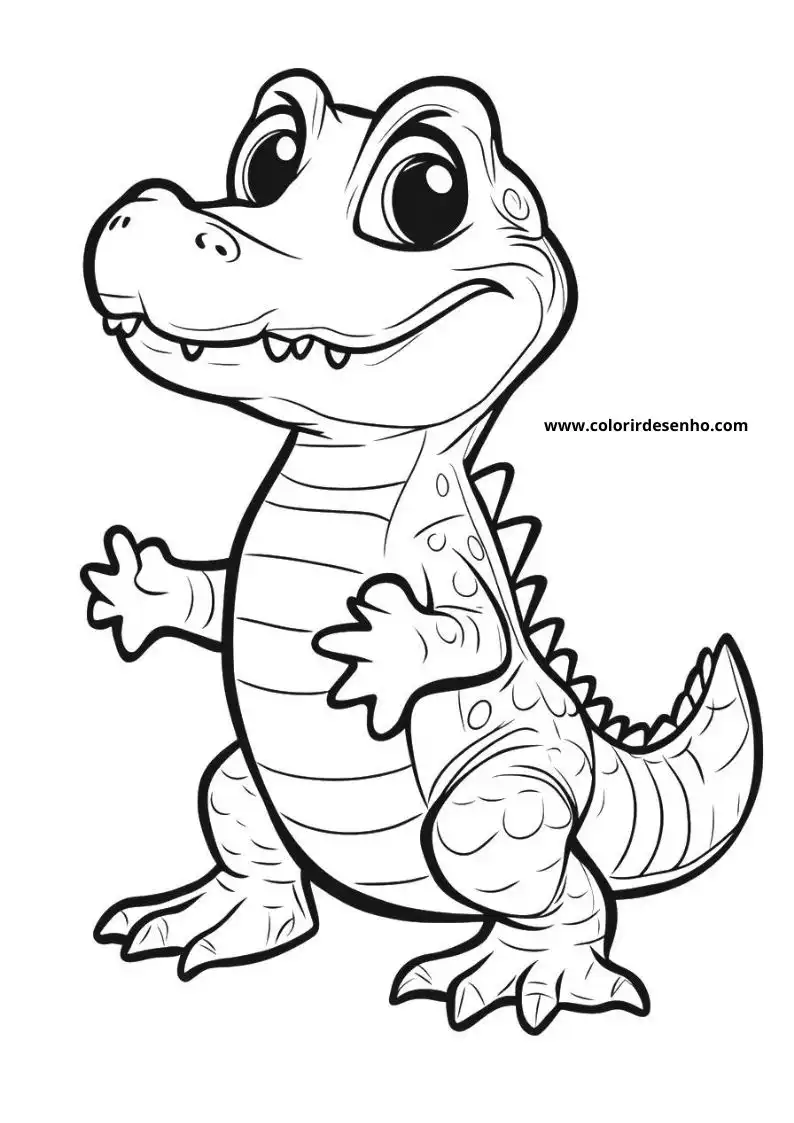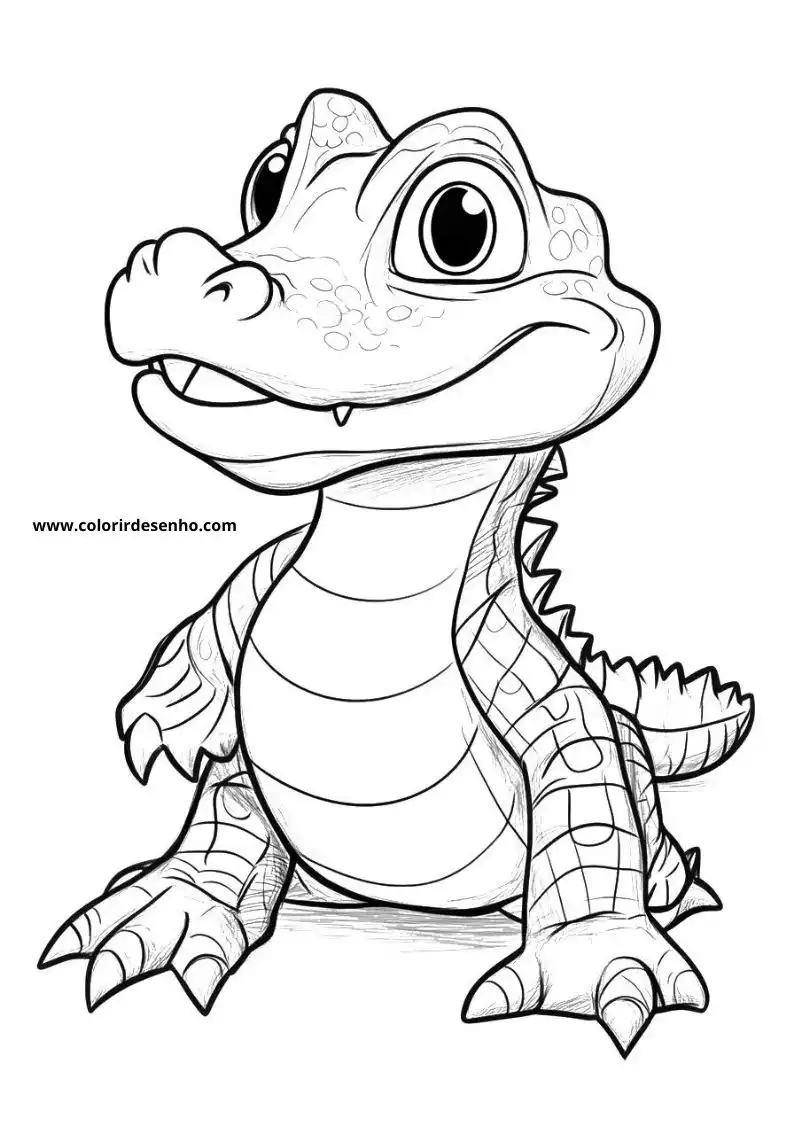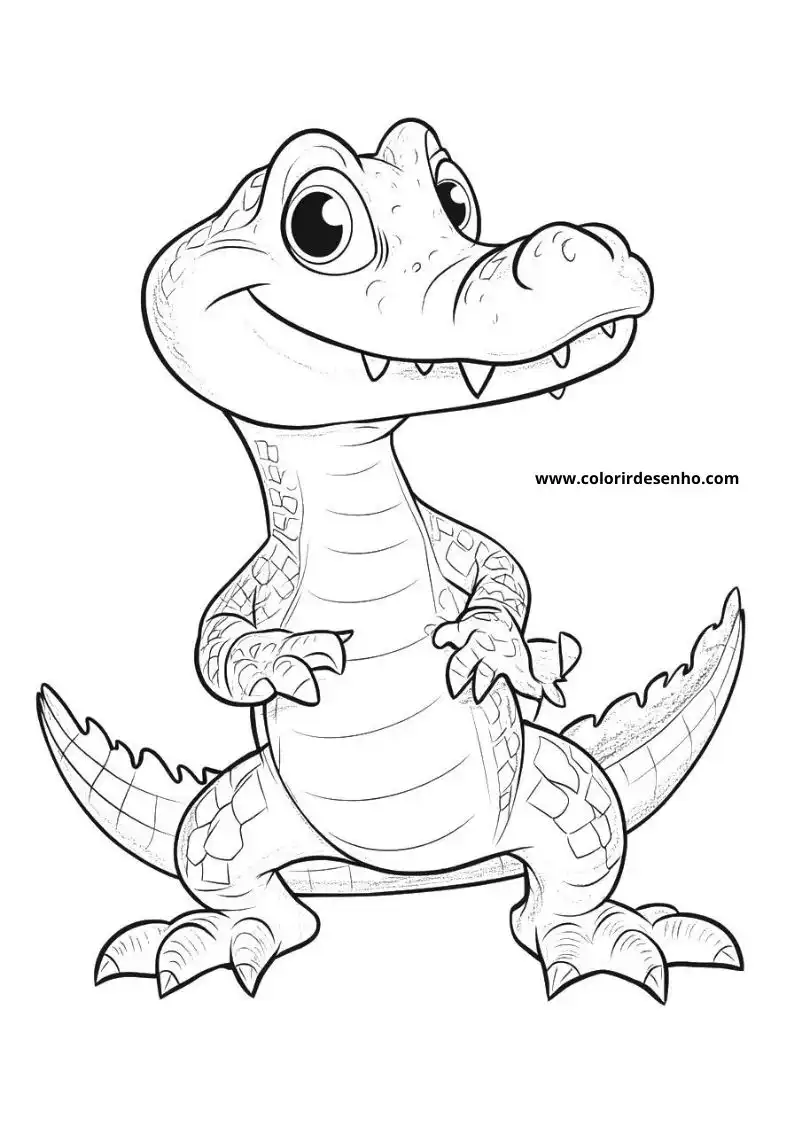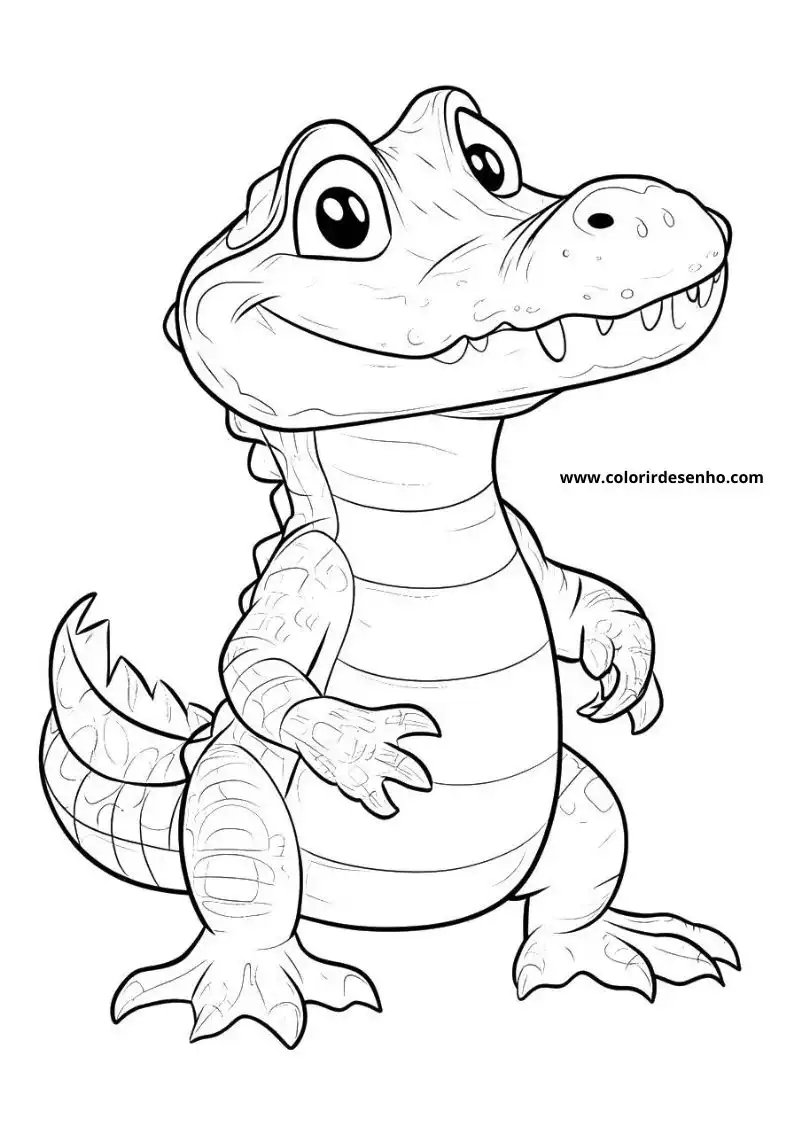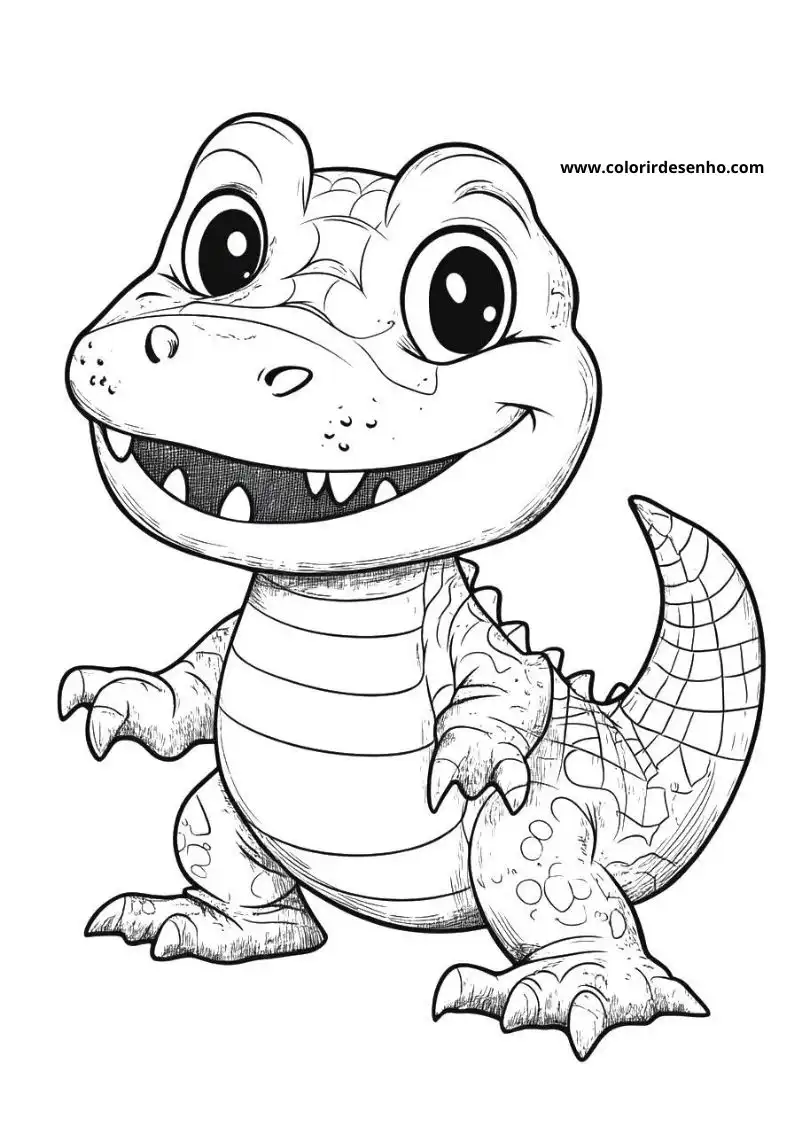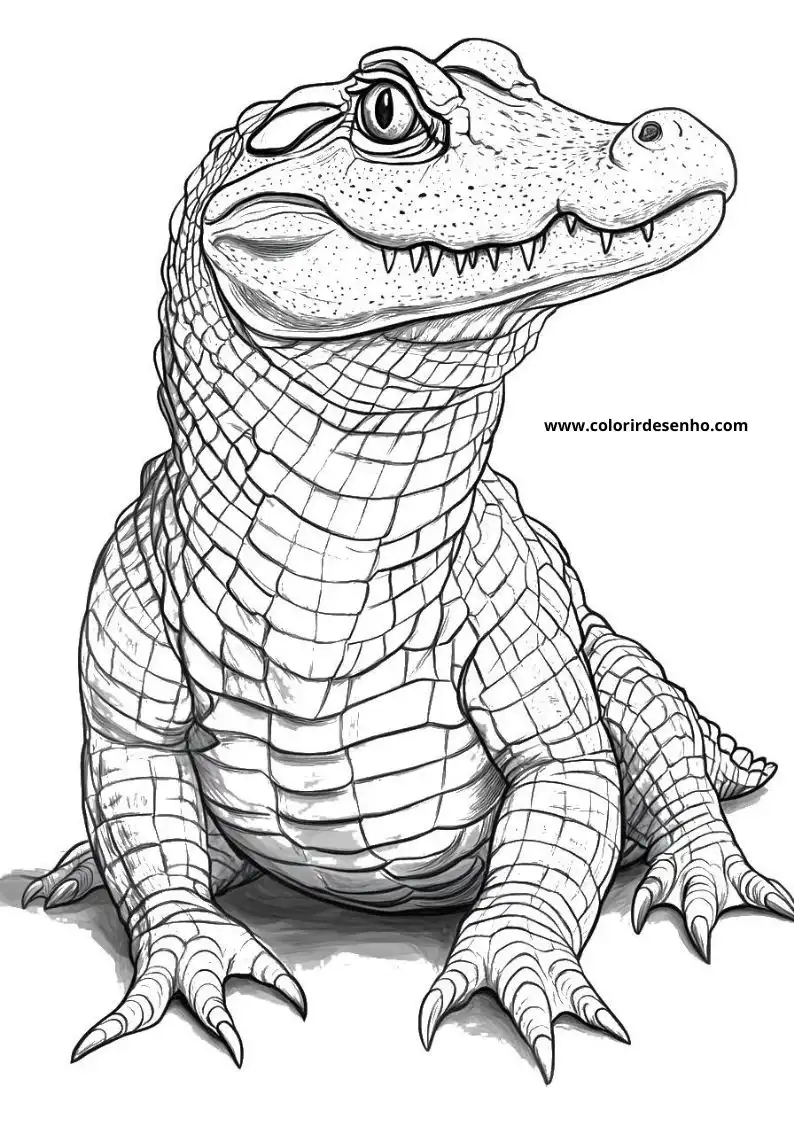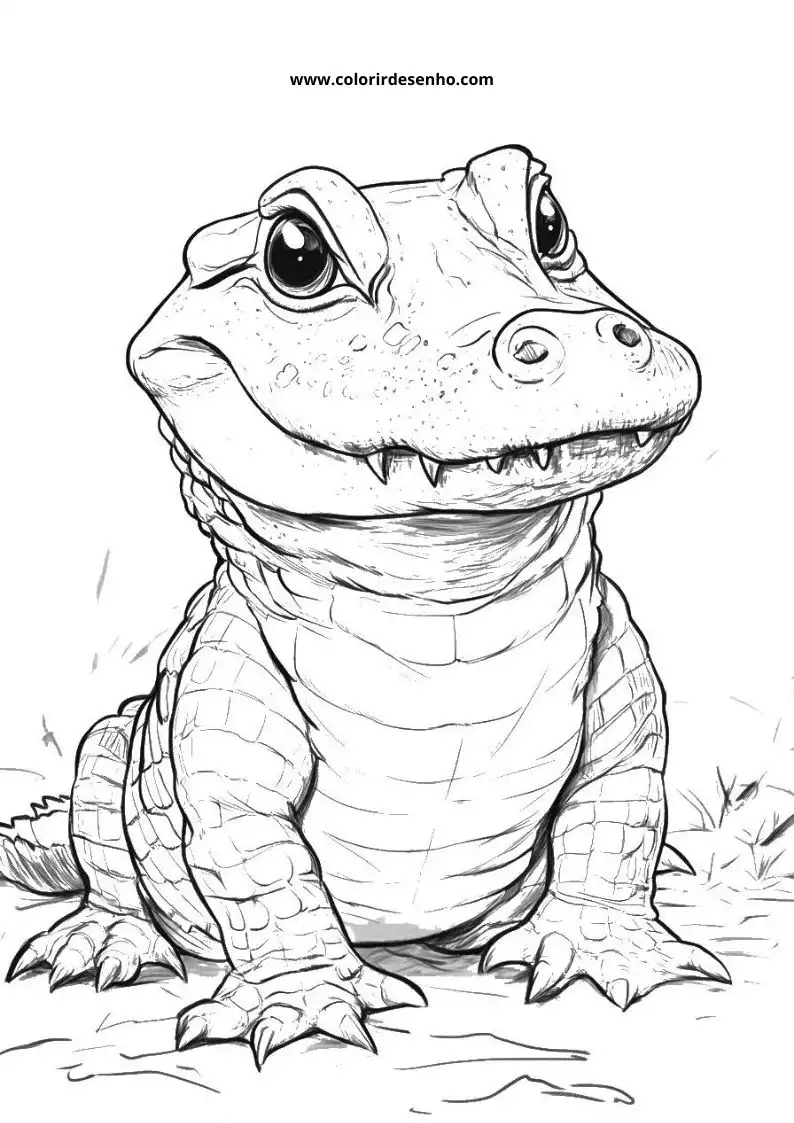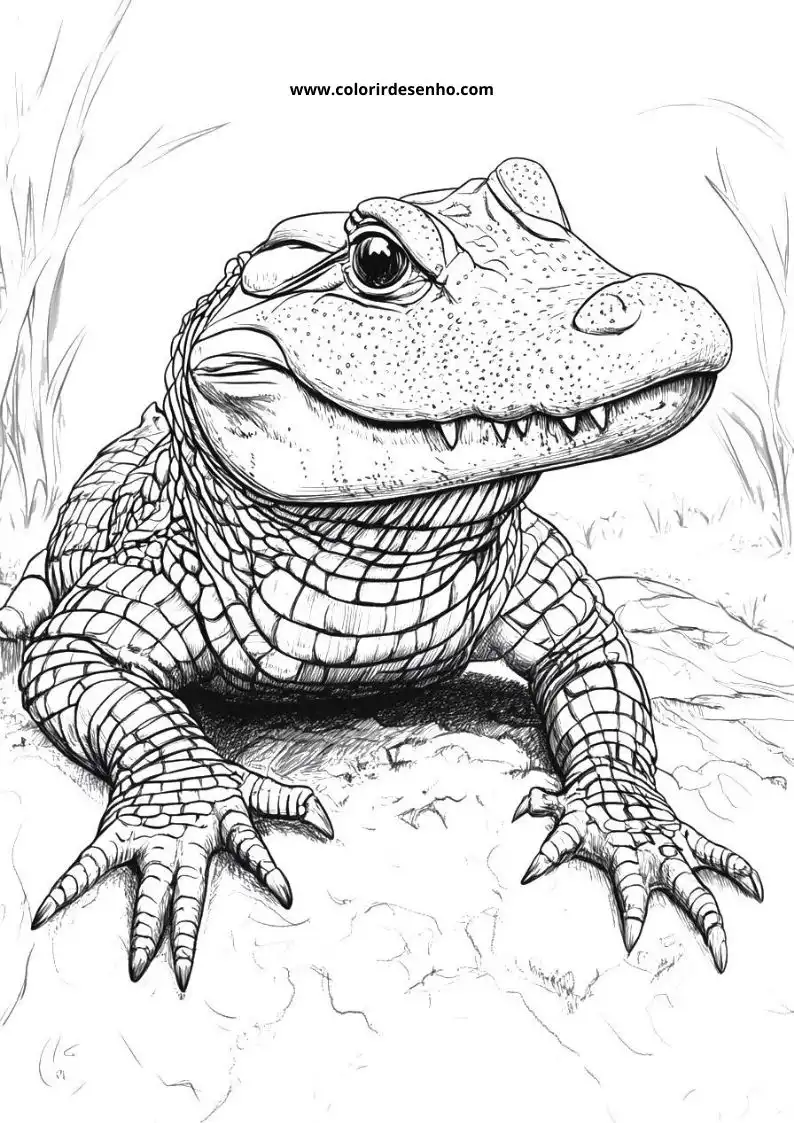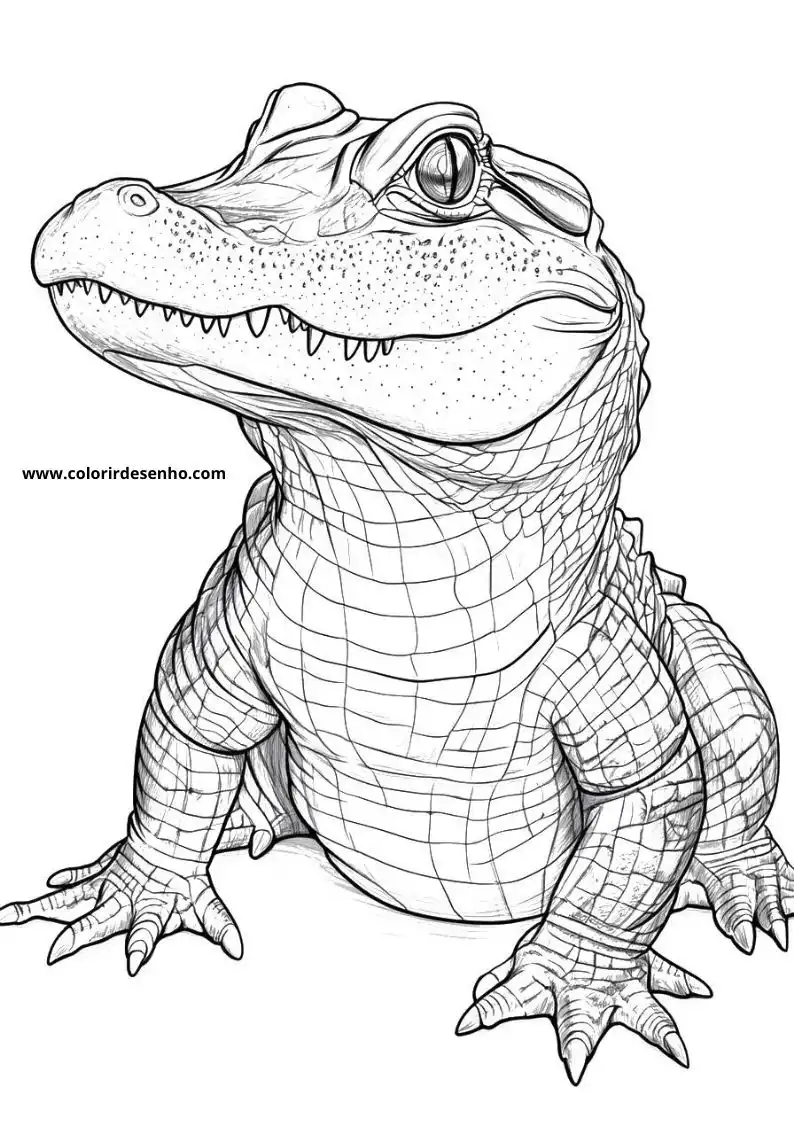
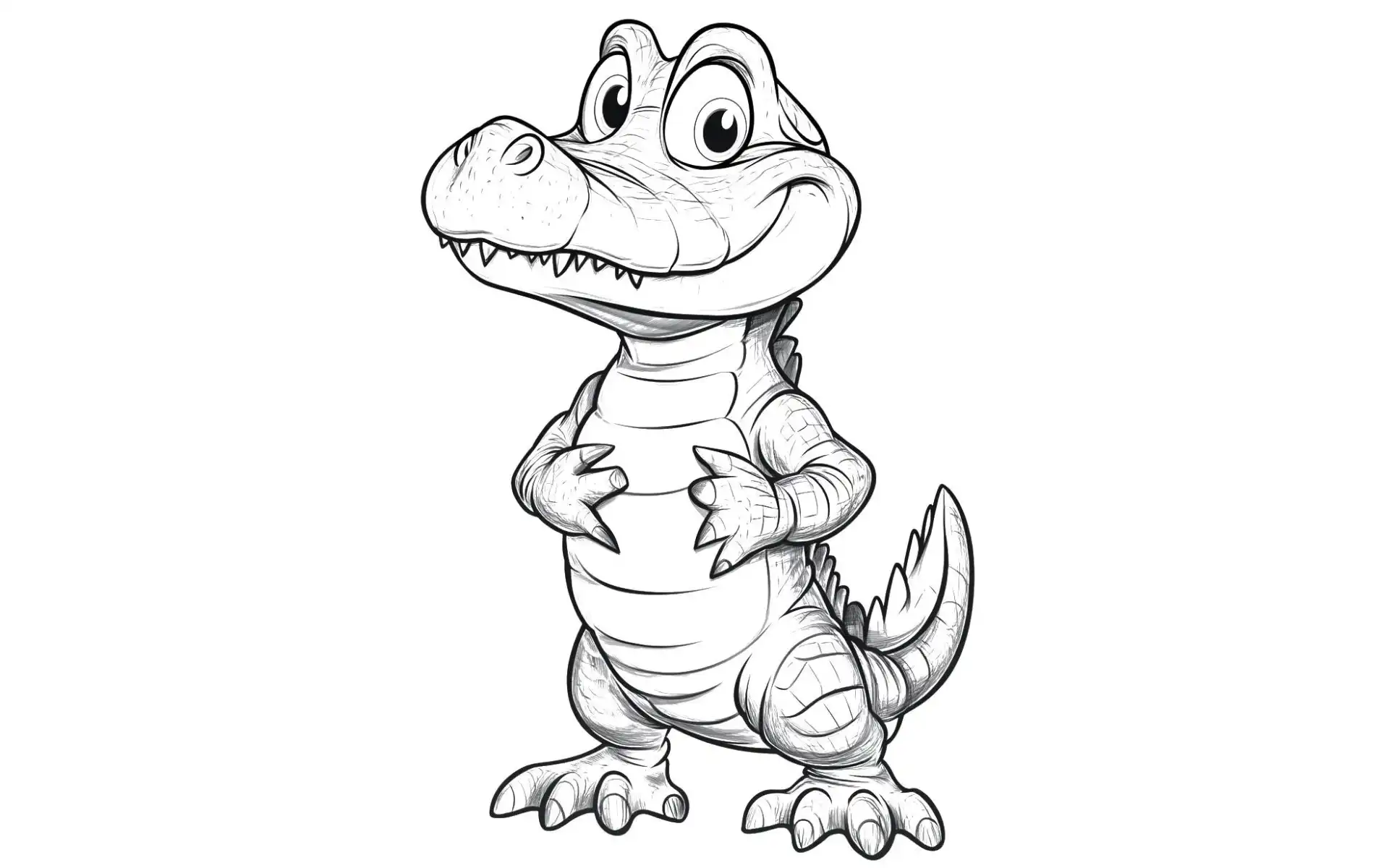
Alligator Coloring Pages
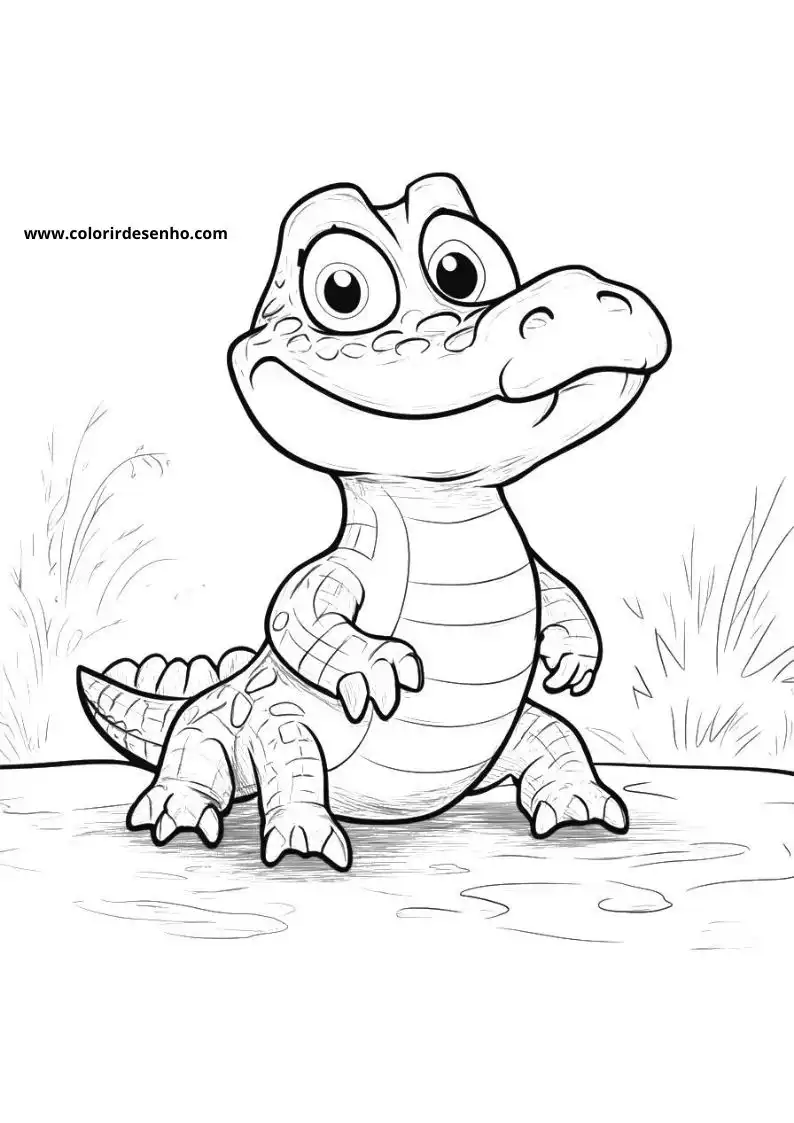
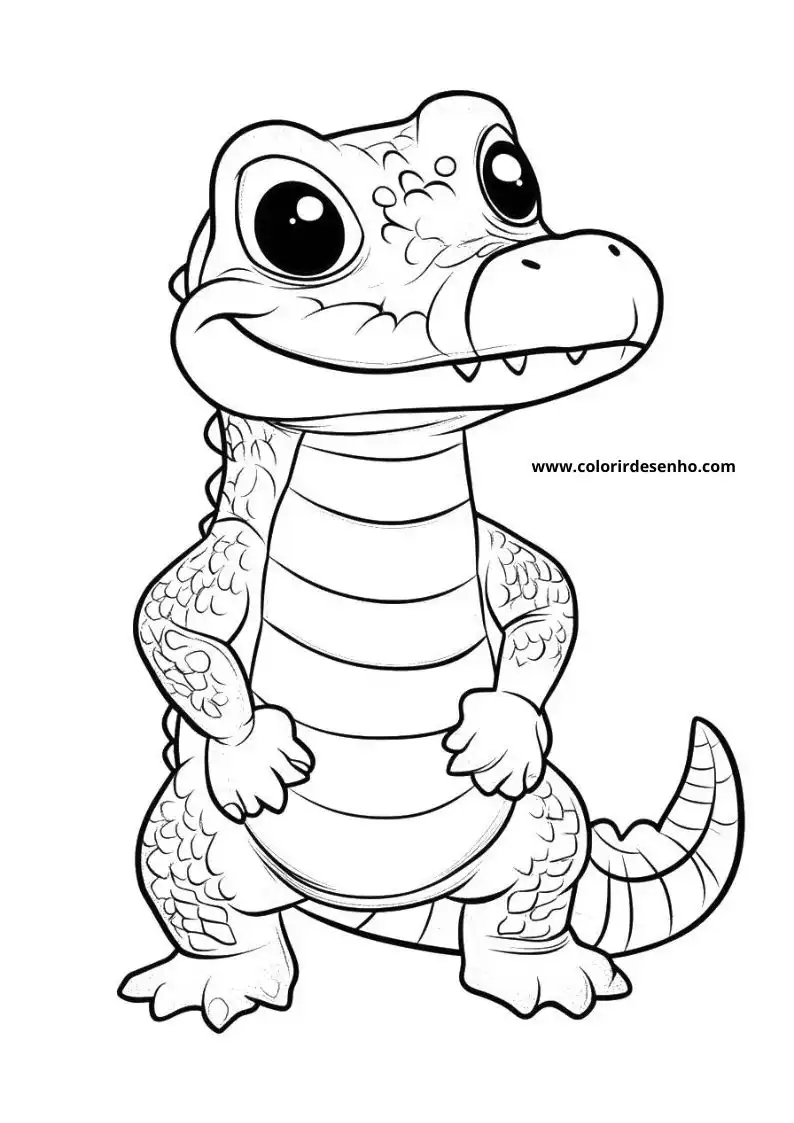
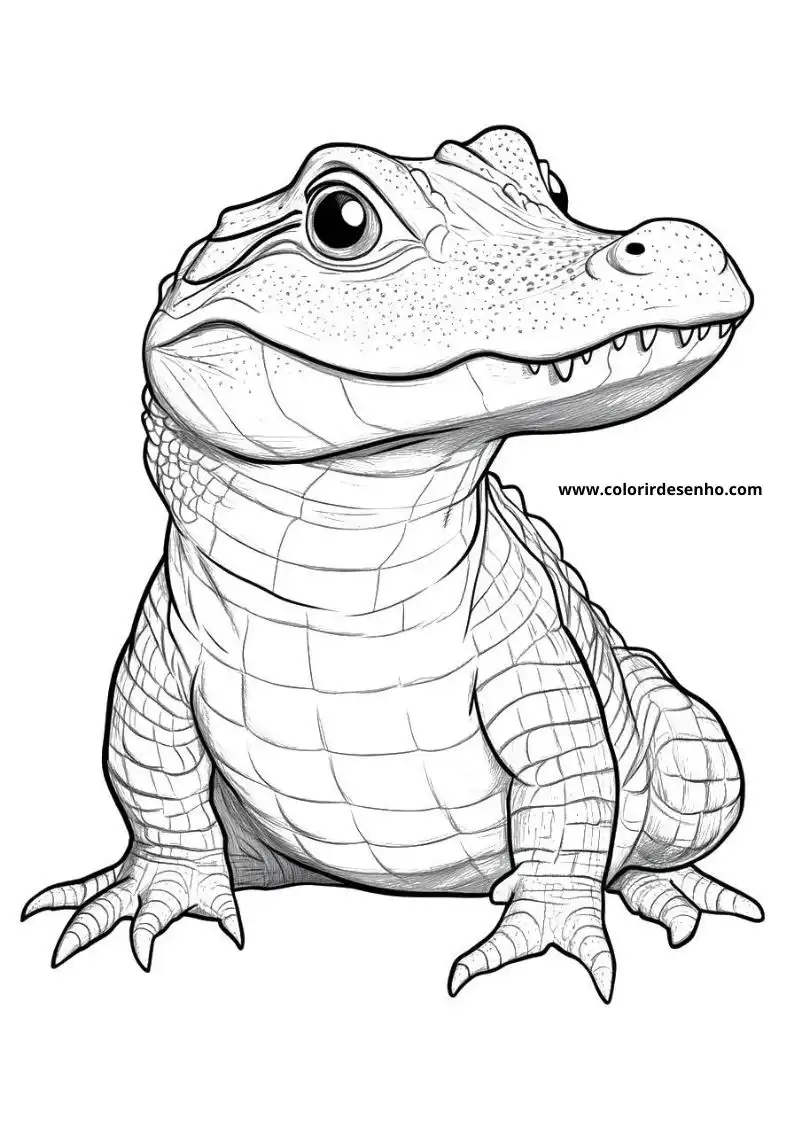
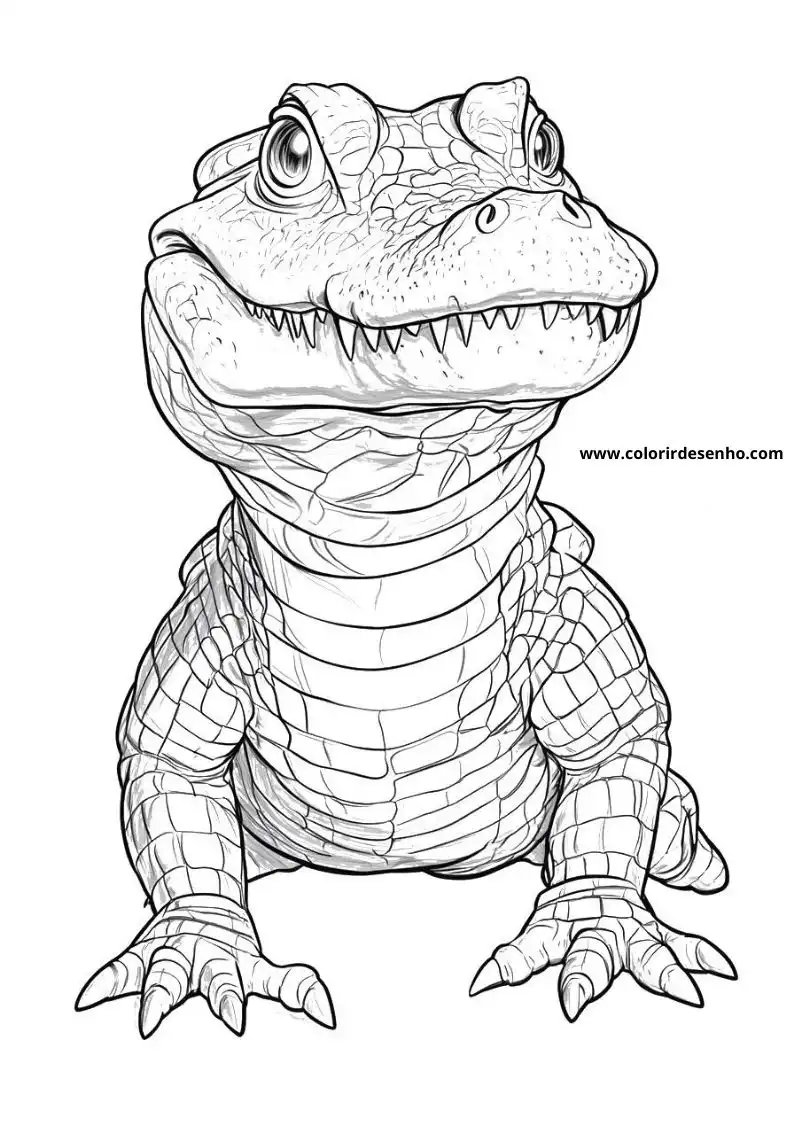
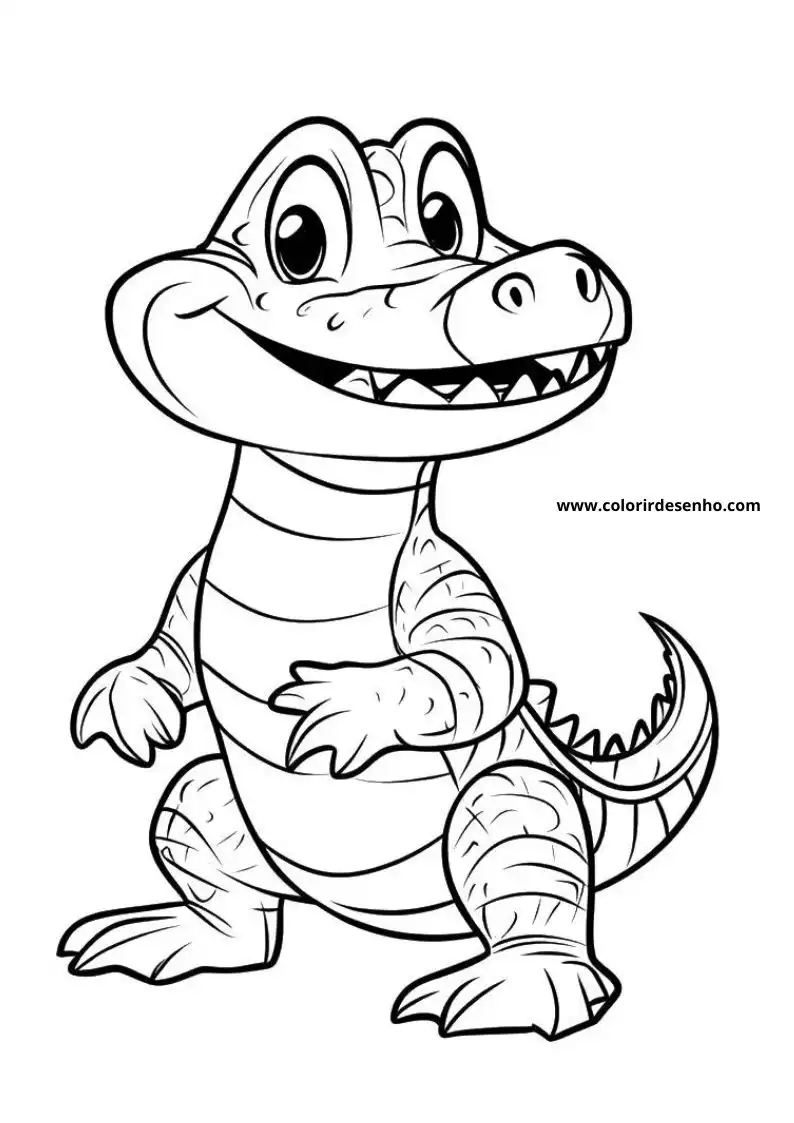
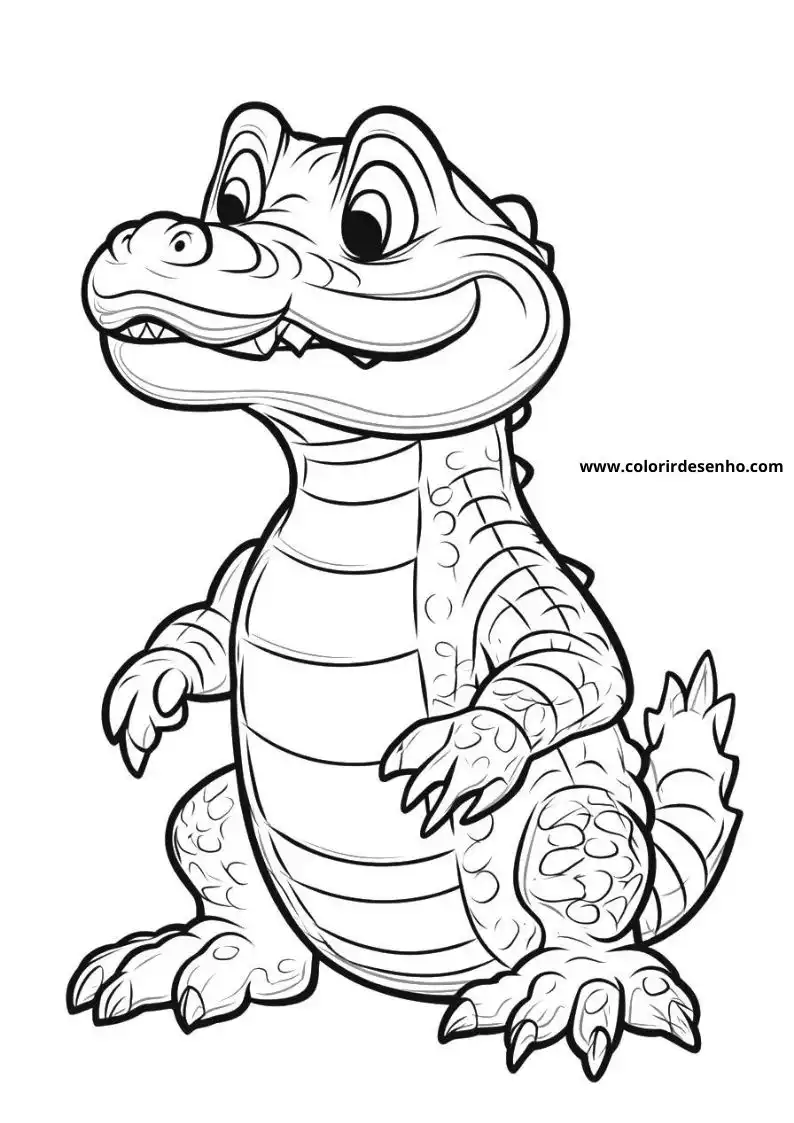
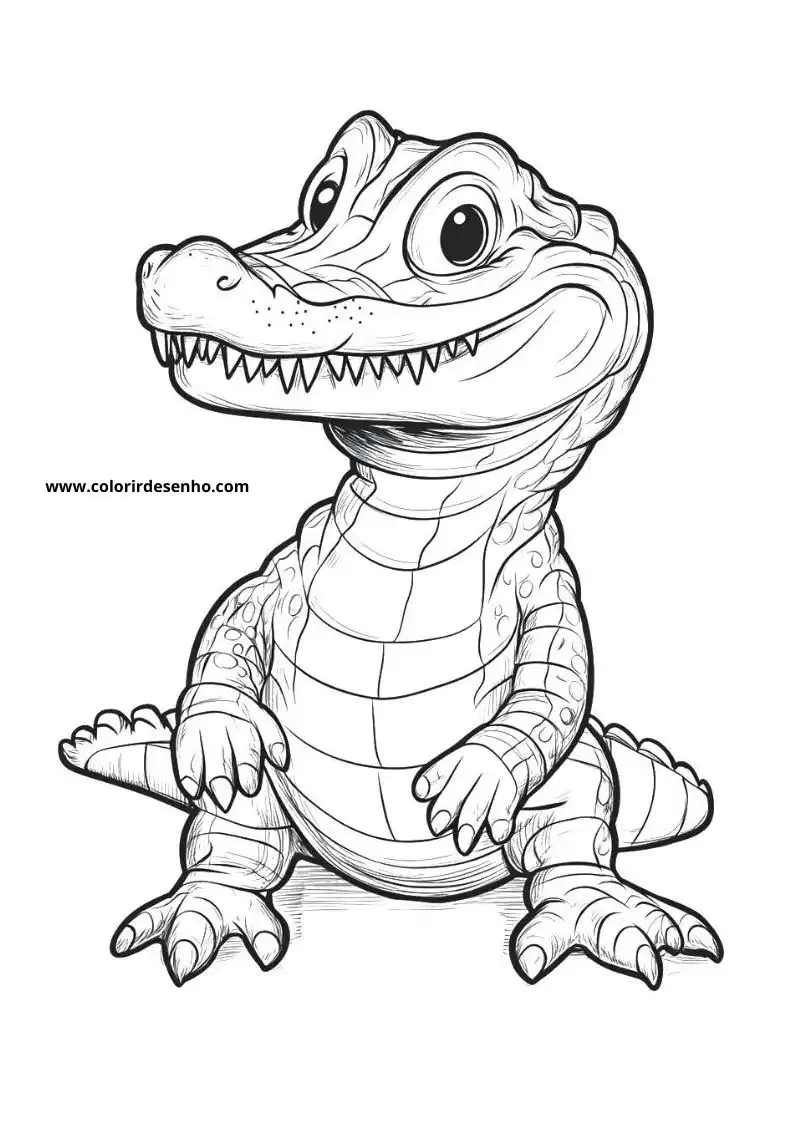
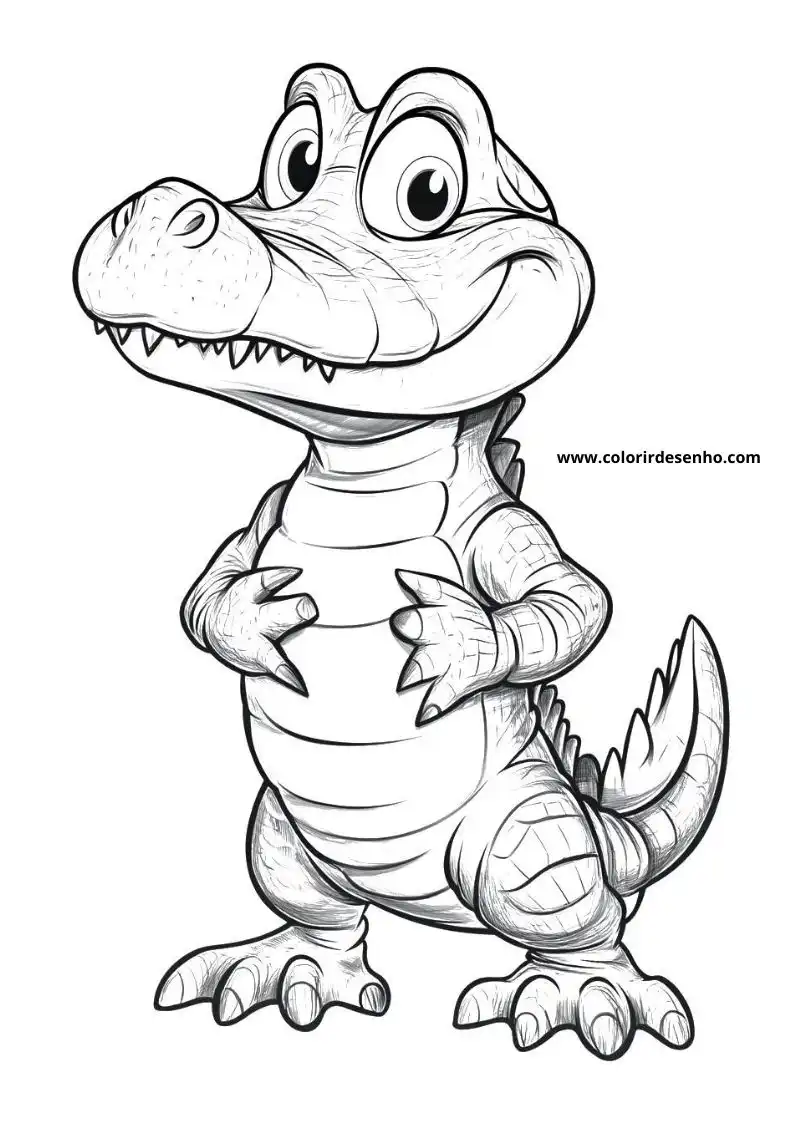
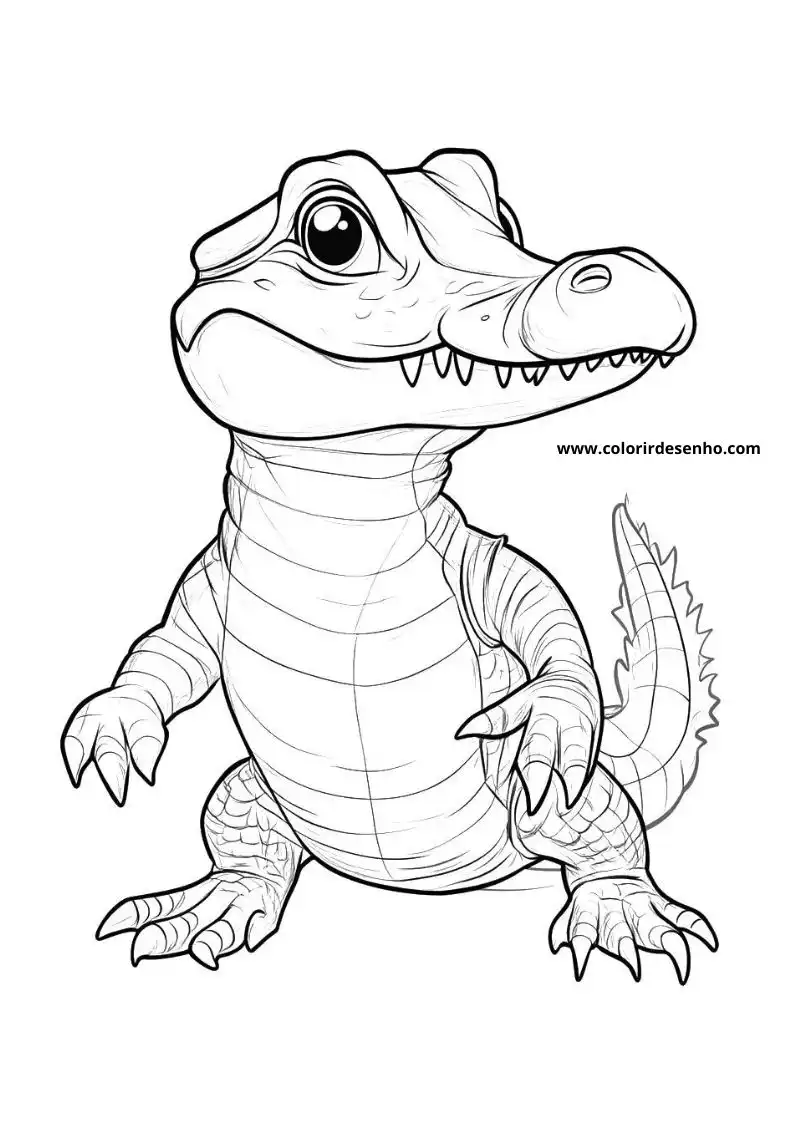
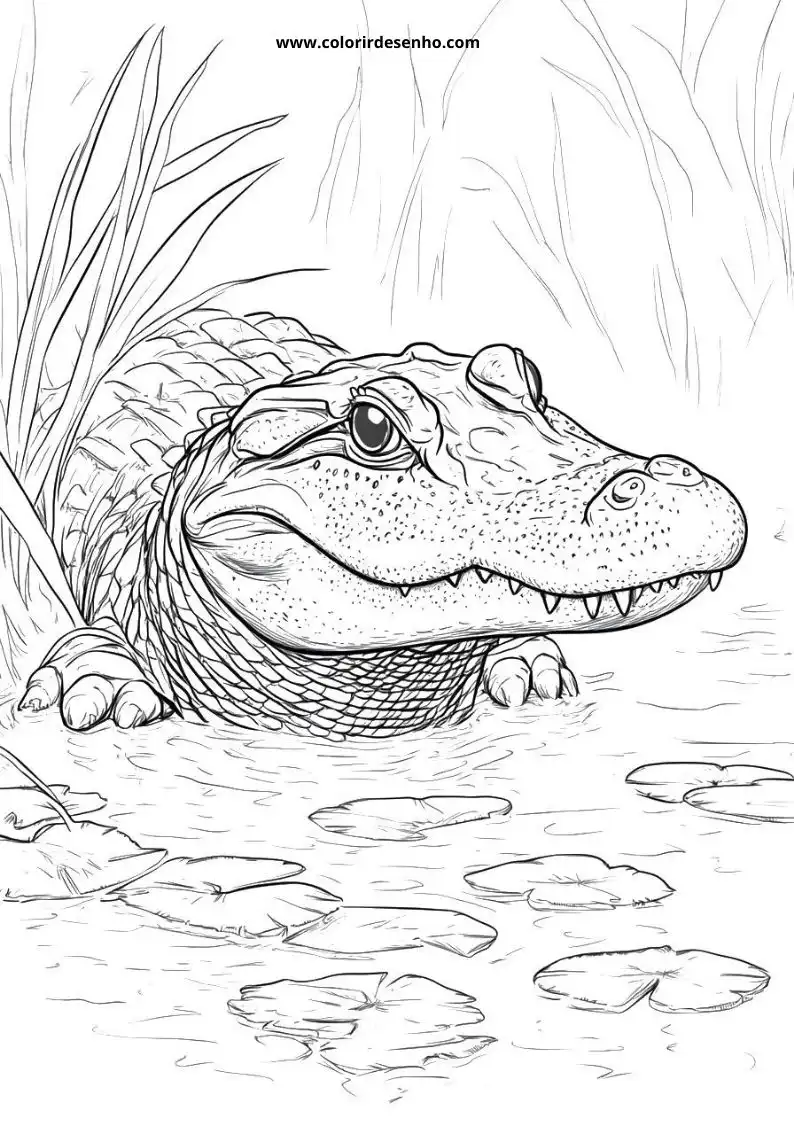
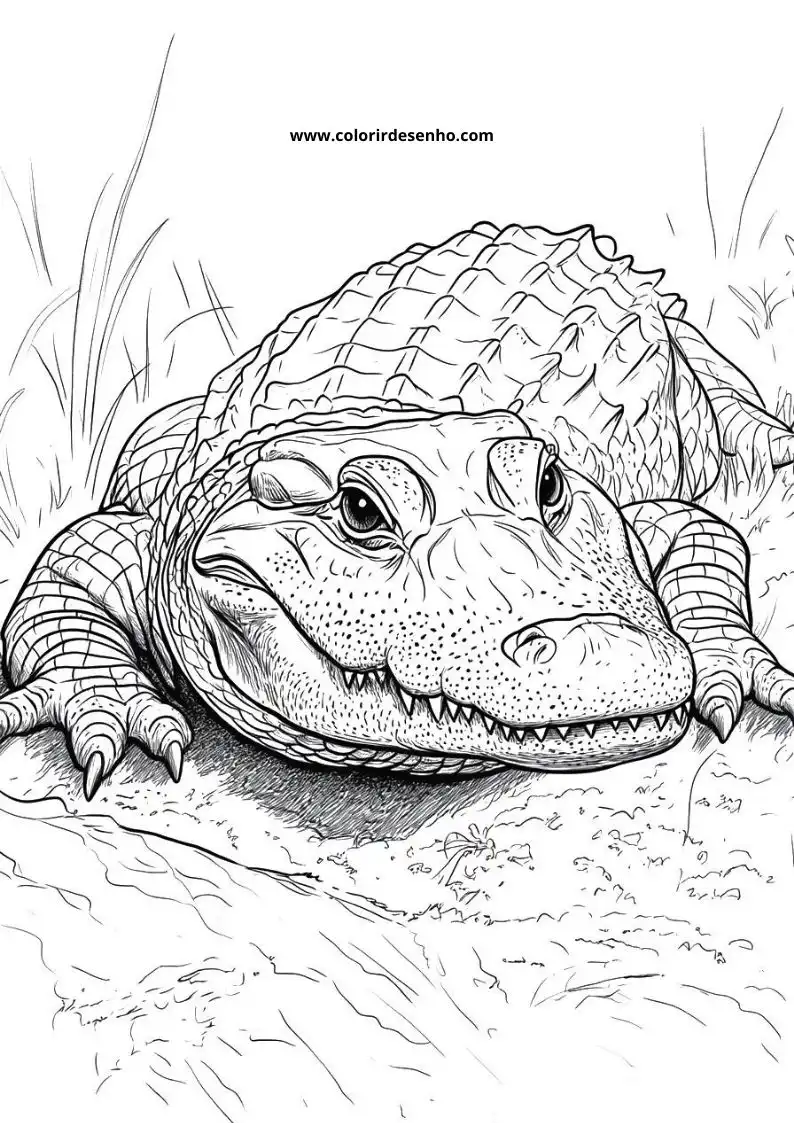
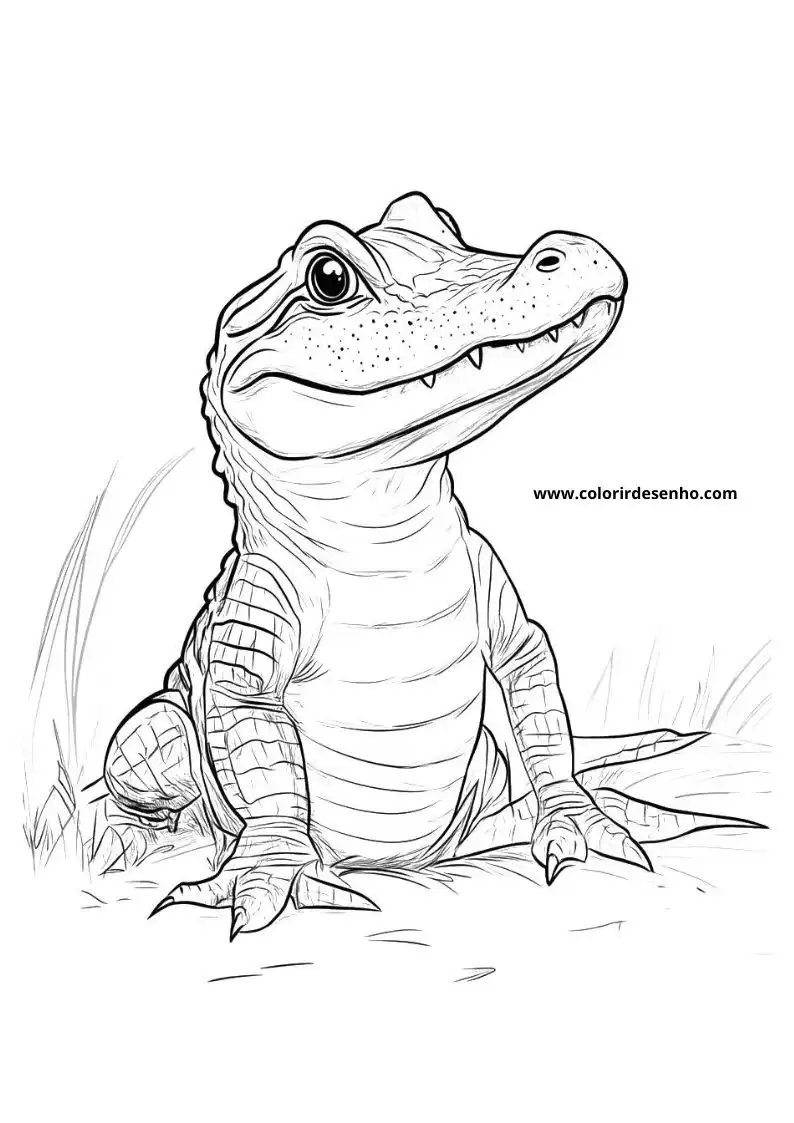
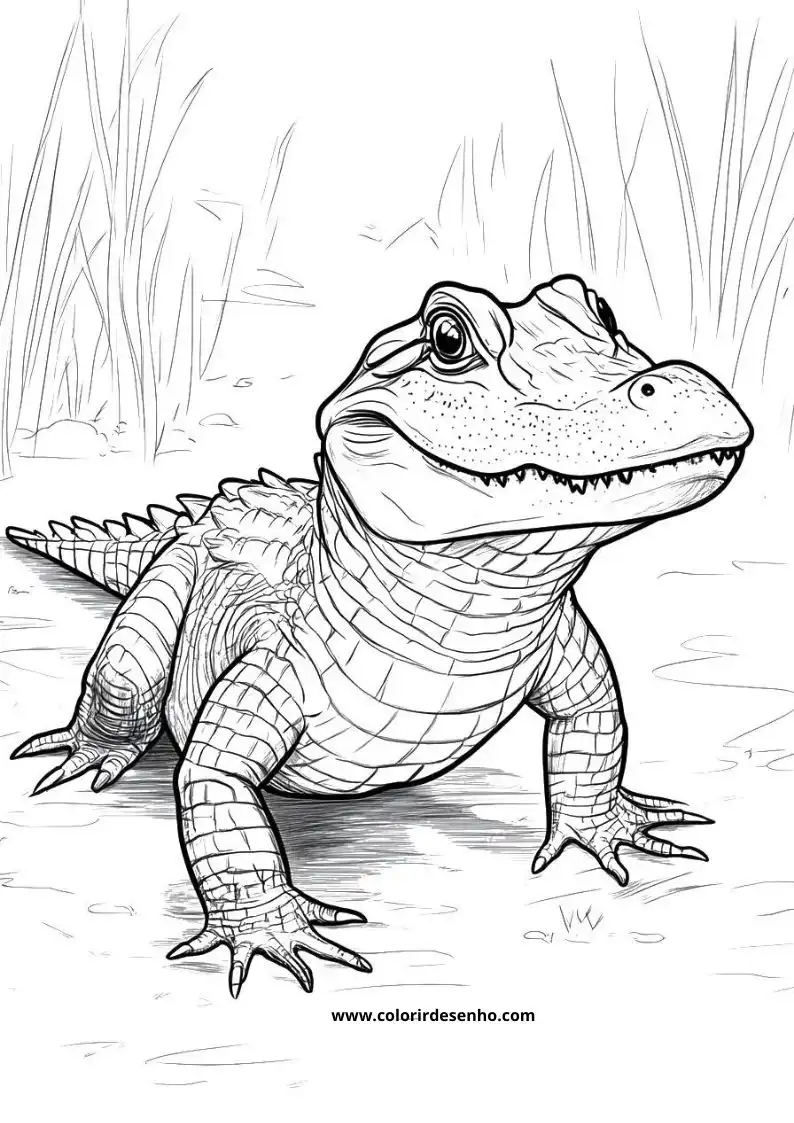
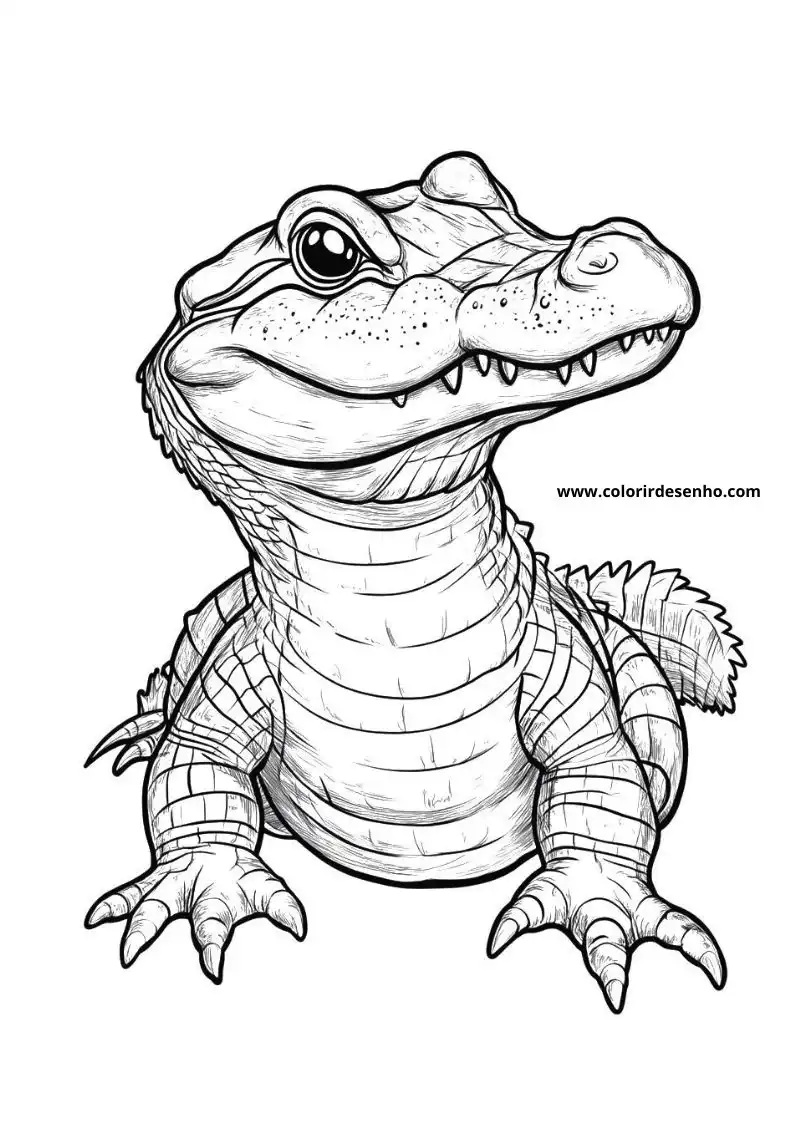
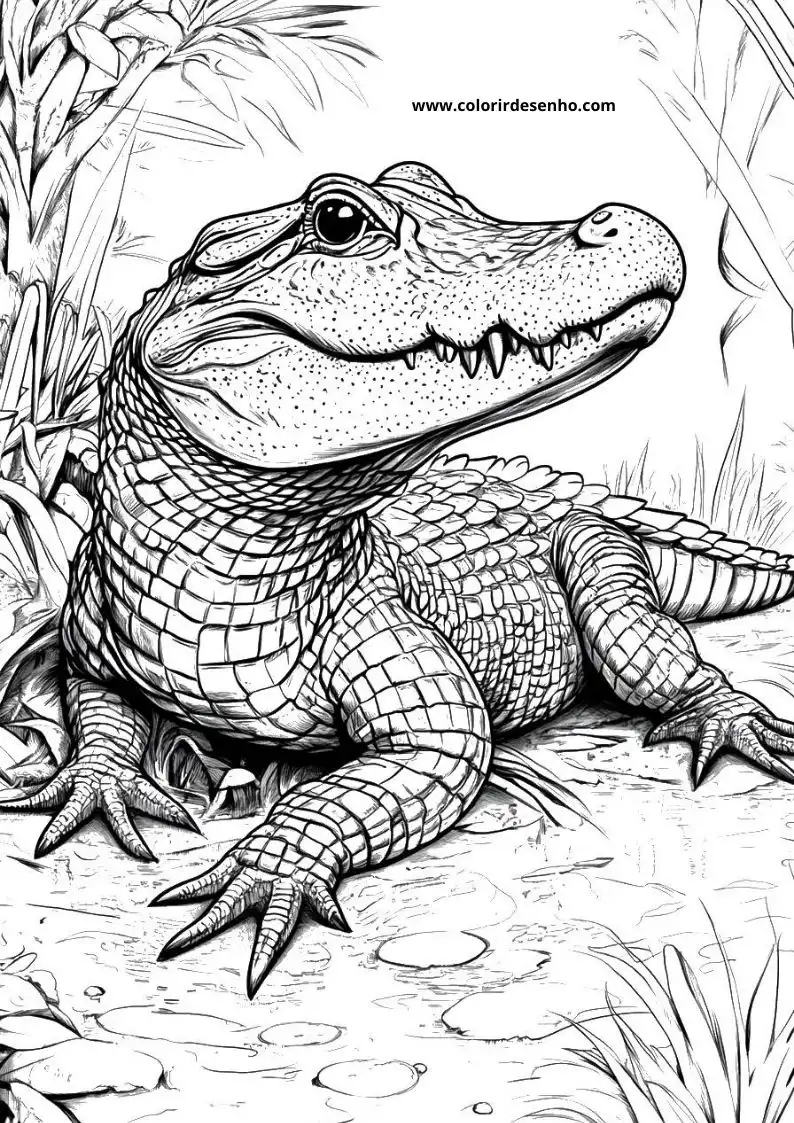
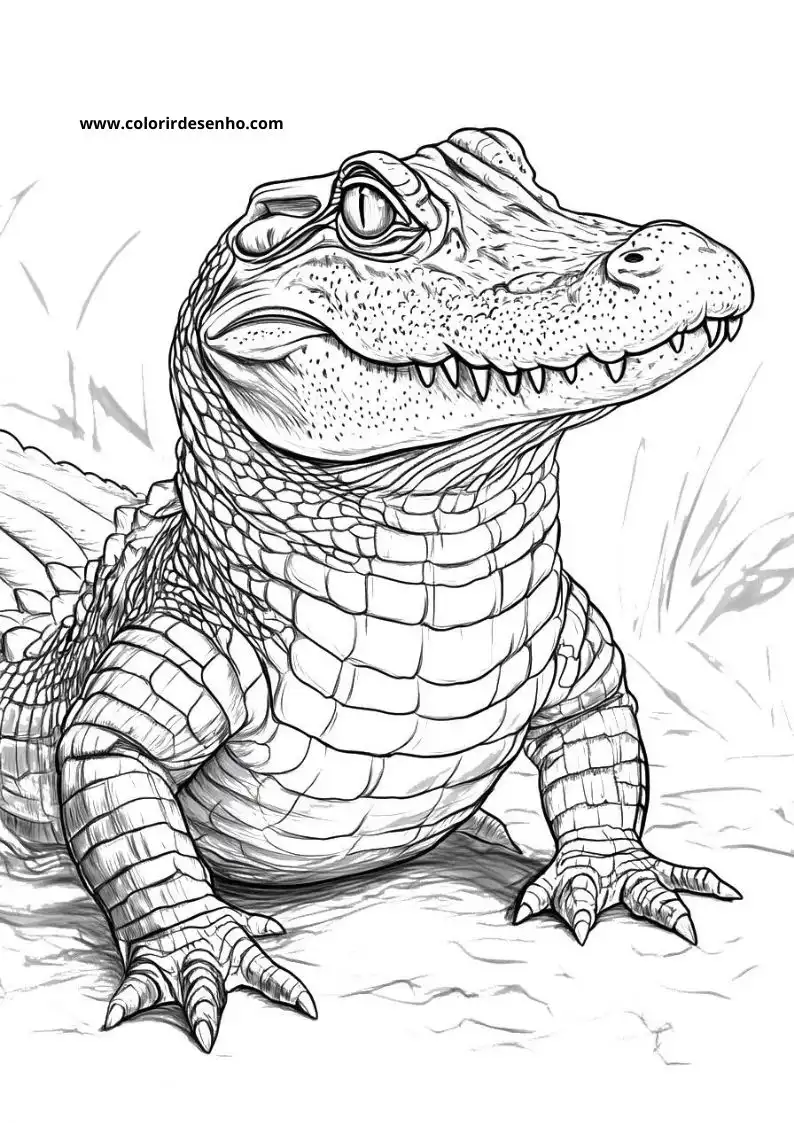
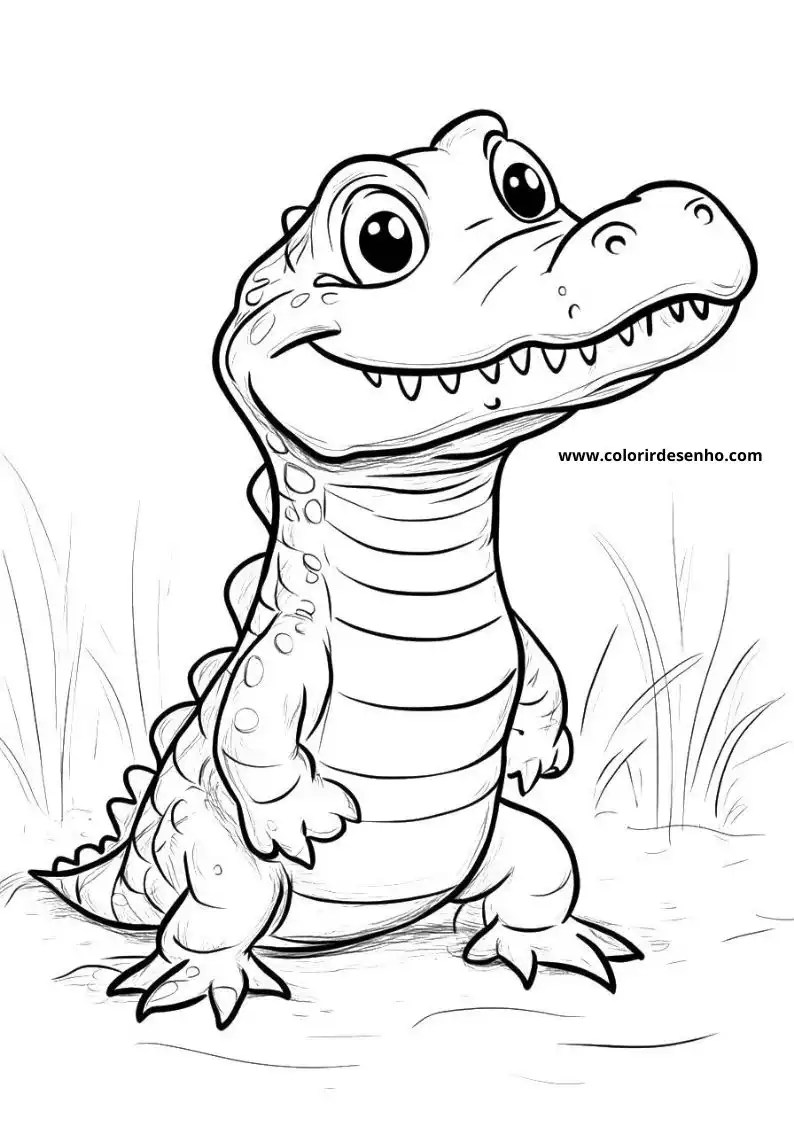
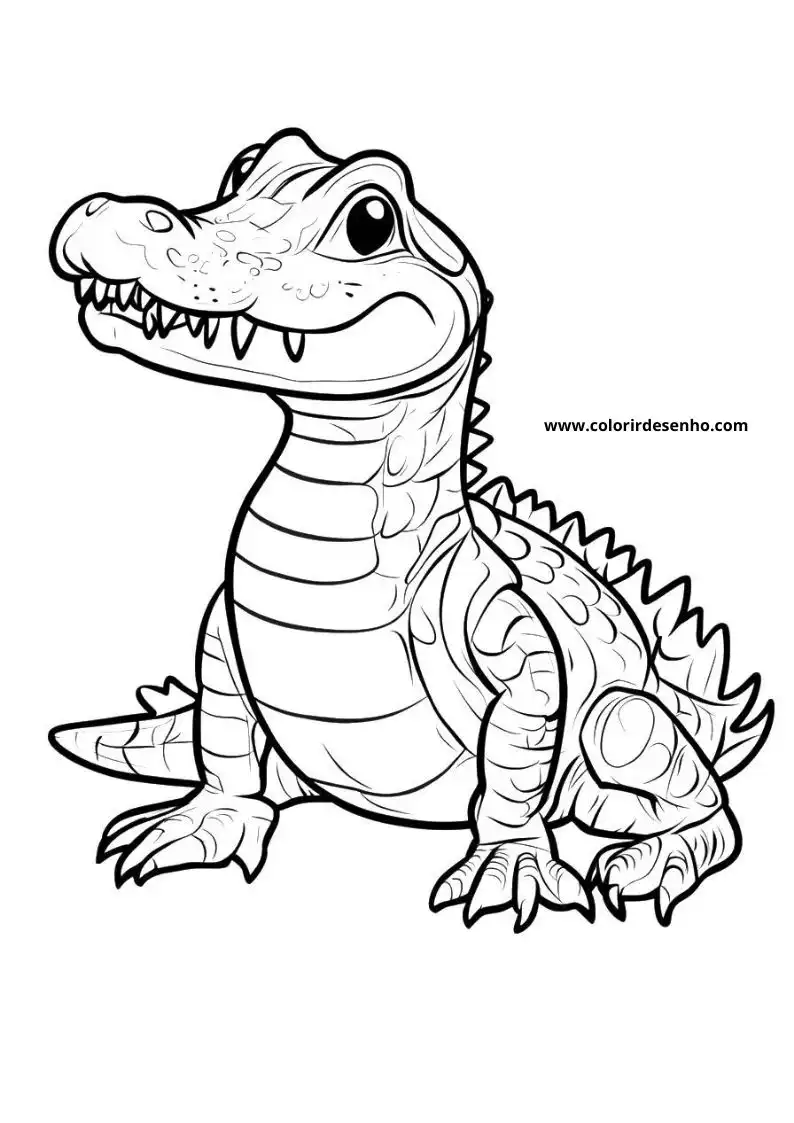
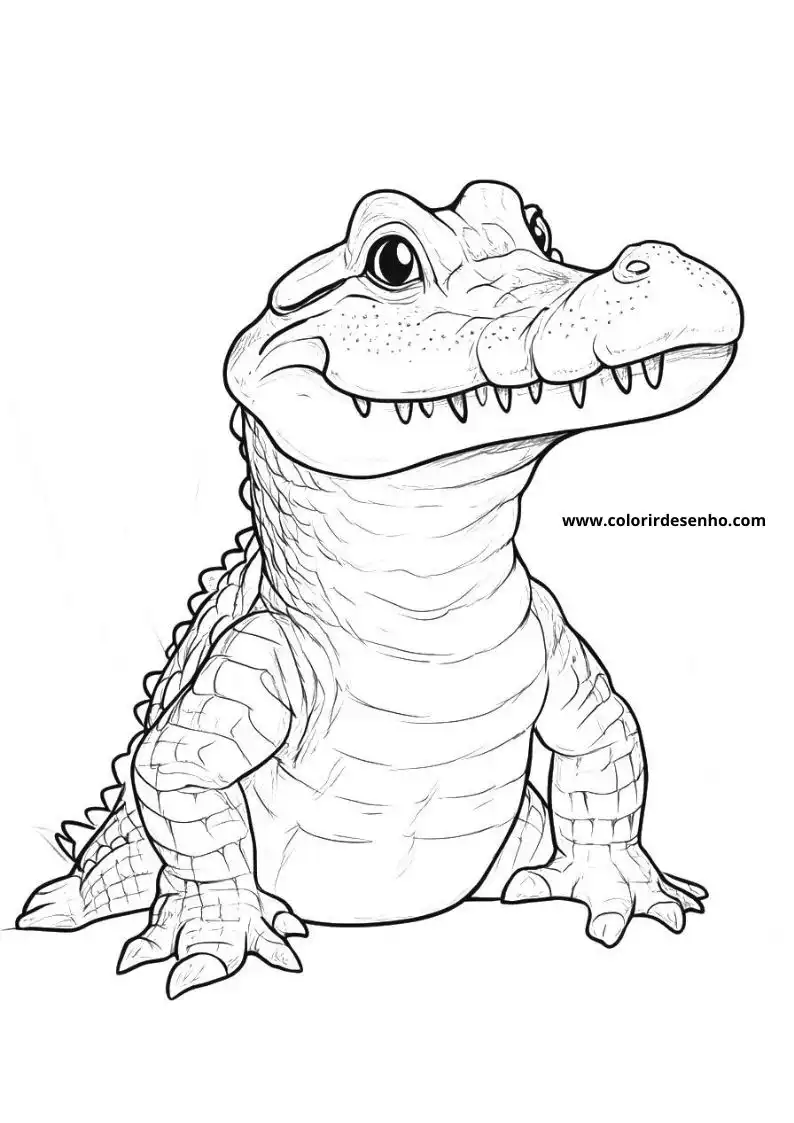
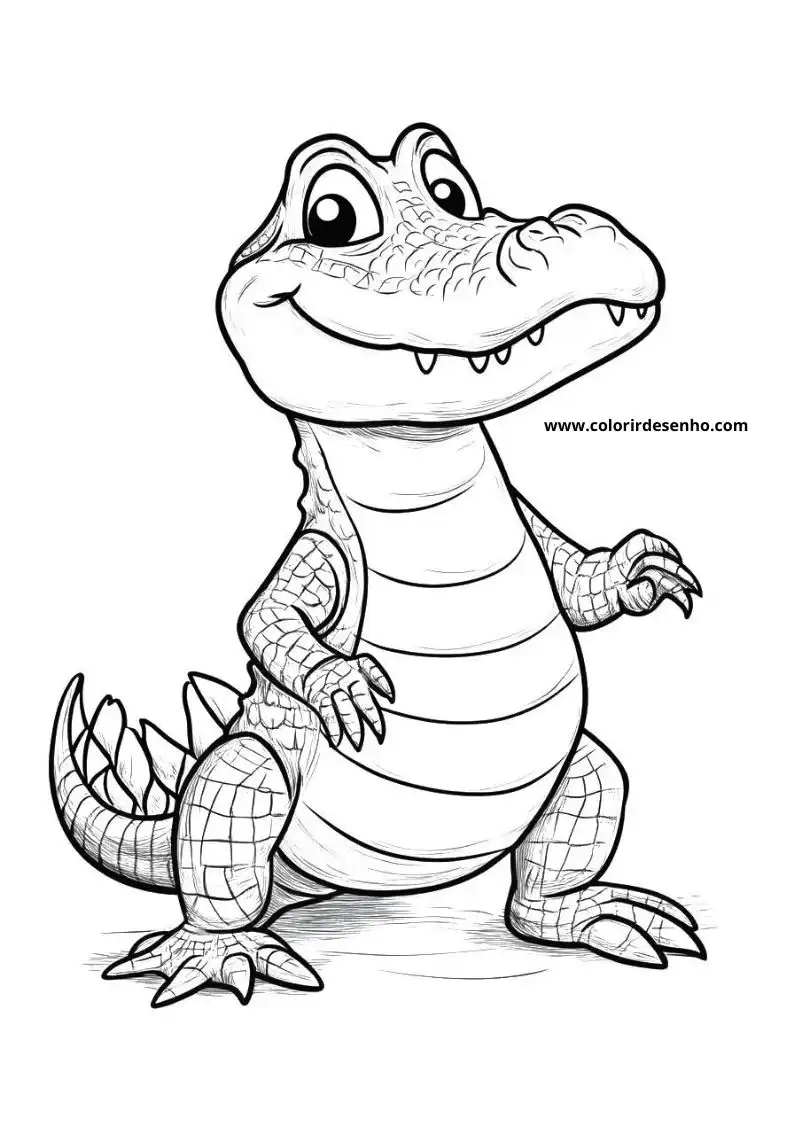
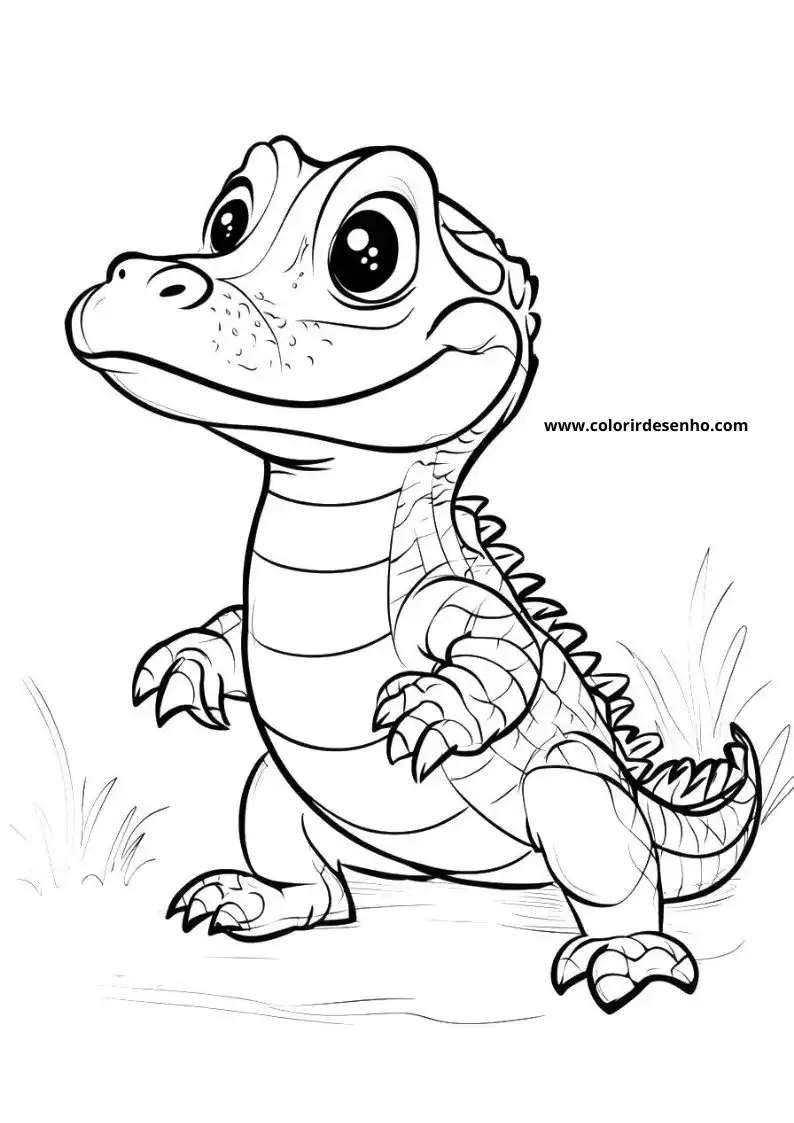
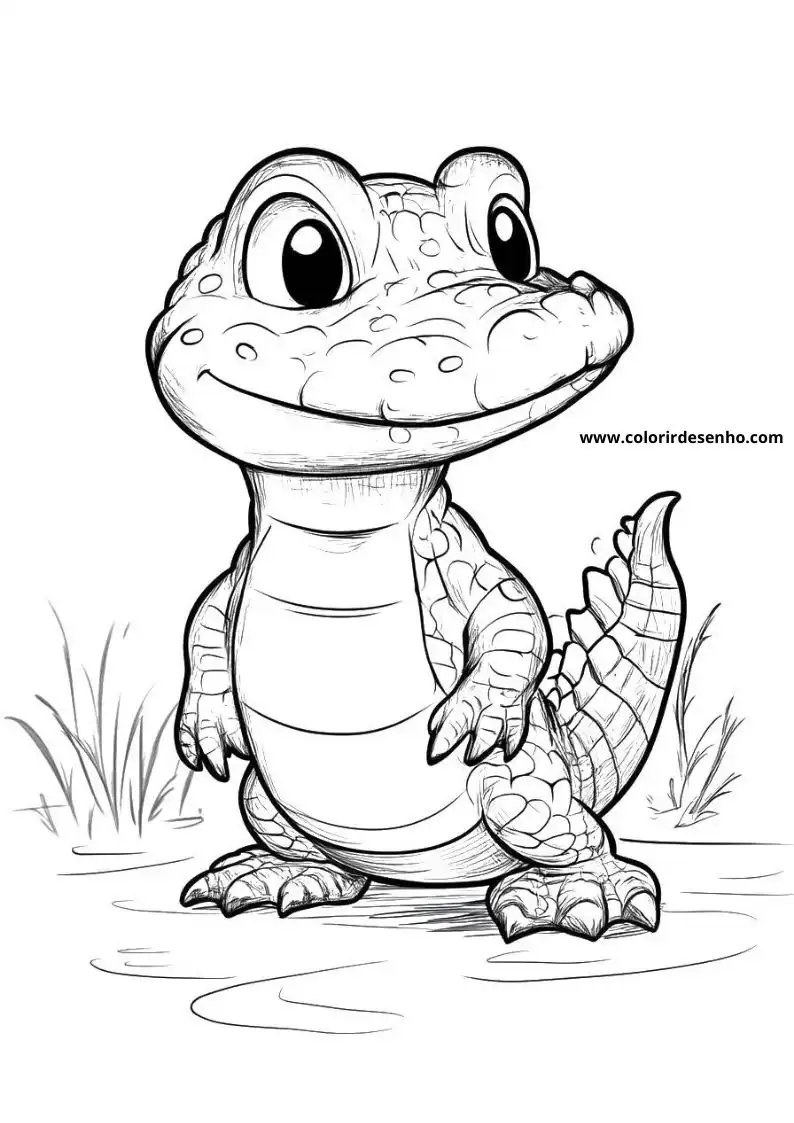
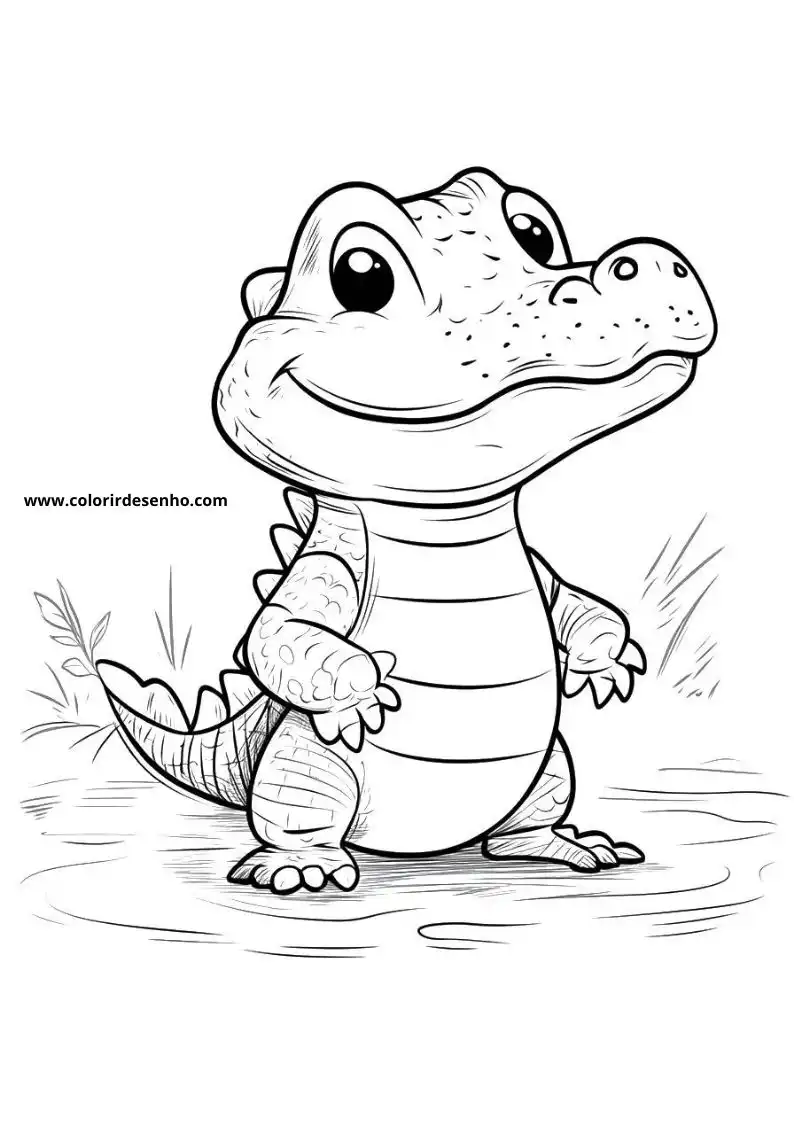
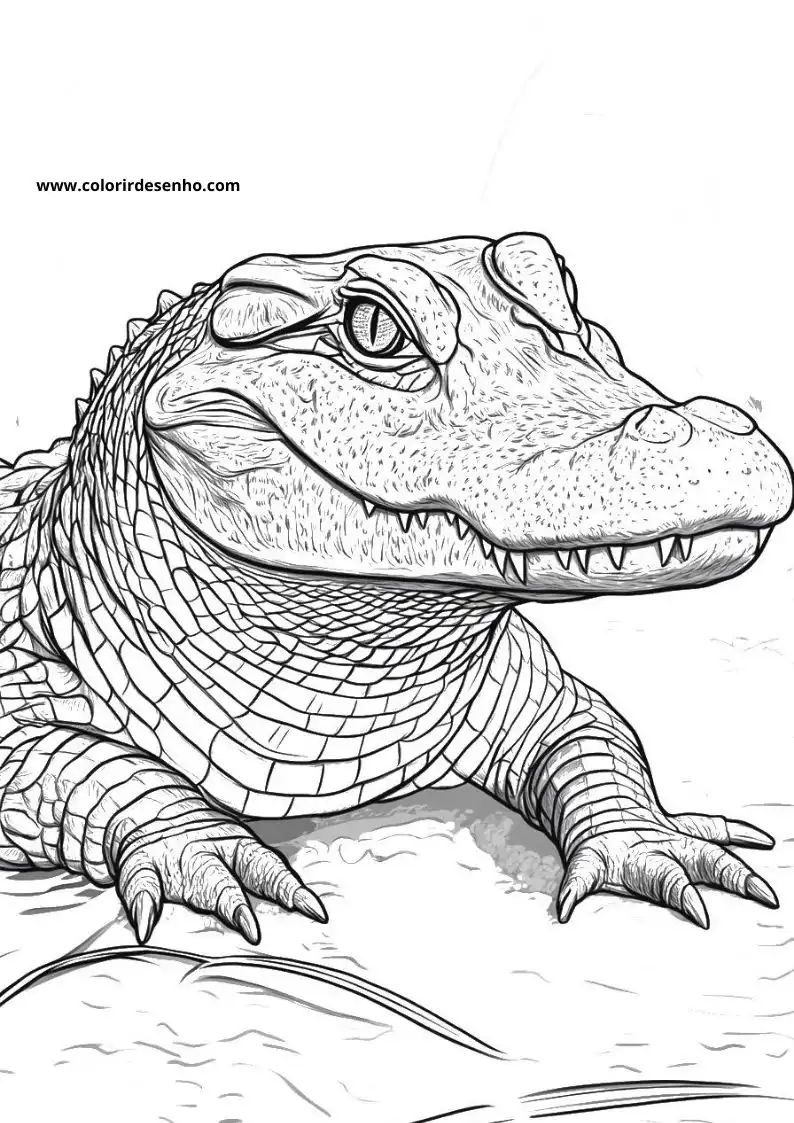
I have always found alligators to be curious, imposing, and silent animals, but with an air of always being alert to everything. It was with this fascination in mind that I put together 244+ pages of alligator, with options ranging from wild realism to more friendly and fun versions, perfect for children and adults alike. It is a simple activity, but one full of creative possibilities, where each scale can take on a different color and each stroke can tell a new story. Just choose your favorite designs, print them out, and let your imagination run wild in the world of these incredible river dwellers.
Alligators are fascinating reptiles that have roamed the Earth for millions of years, making them true living fossils. Native mainly to the southeastern United States and China, these powerful creatures are well adapted to freshwater environments such as rivers, lakes, and swamps. An interesting fact is that alligators have an incredibly strong bite, one of the strongest among animals, but they move surprisingly fast both in water and on land when necessary.
Alligators are also notable for their protective parenting. Unlike many reptiles, alligator mothers are very attentive, building nests for their eggs and fiercely protecting their young once they hatch. This maternal behavior shows a unique side to these often misunderstood animals.
Another interesting detail is that alligators use their powerful tails not only for swimming, but also for communicating, creating loud noises in the water.
The Fascinating World of Alligators
Alligators, often confused with their cousins, crocodiles, have characteristics that make them unique and worthy of exploration. One of the most notable distinctions is the shape of their snout, which is wider and rounded in a “U” shape, while that of the crocodile is more tapered and “V” shaped. In addition, their teeth are a crucial point of differentiation. With its mouth closed, the alligator’s fourth lower tooth fits perfectly into a cavity in the upper jaw and is not visible, unlike the crocodile, where this tooth remains exposed. These anatomical details are not just curiosities; they reflect the evolution and adaptation of these reptiles to their respective environments and diets, making them more efficient in their ecological functions.
Despite their intimidating appearance, alligators play a vital role in swamp and river ecosystems. Known as “ecosystem engineers,” they help maintain the balance of their ponds. During dry seasons, for example, alligators dig large holes that retain water, creating refuges for fish, turtles, insects, and other aquatic life. This action not only saves the lives of many species, but also serves as a food source for others, such as birds. This behavior demonstrates the importance of these reptiles in maintaining biodiversity and the overall health of the aquatic habitat.